A backyard pool is one of the best investments you can make for your home and family. But here’s what the sales brochure skips: pools require consistent attention, the right equipment, and a genuine commitment to safety. Many first time pool owners are caught off guard by how fast debris accumulates, how quickly water chemistry shifts after a summer storm, and how much they underestimated the need for proper pool protection.
None of it is complicated once you know the basics. This first-time pool owner guide covers the essentials, from must-have tools and chemical targets to safety systems that protect your family and reduce long-term workload.
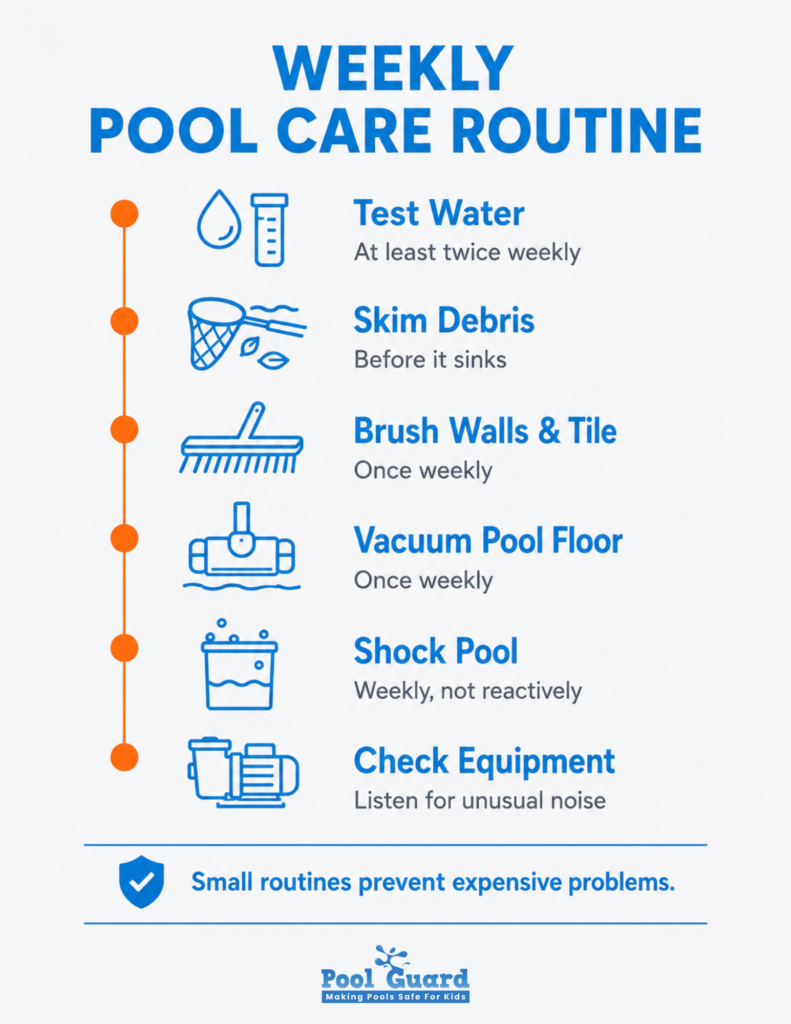
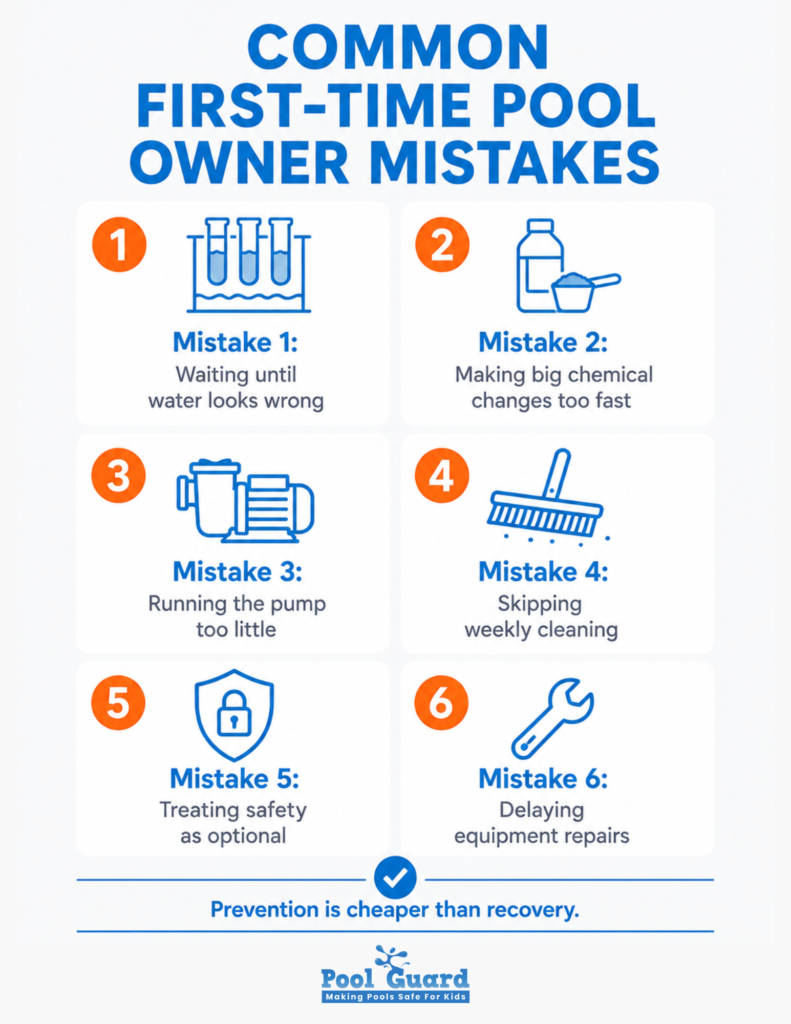
Set realistic expectations before filling the water. Keeping a pool safe and clear requires active, preventative habits:
The most successful owners build a preventative maintenance rhythm early rather than waiting for major problems to develop.
You don’t need every gadget on the market. You do need these on day one.
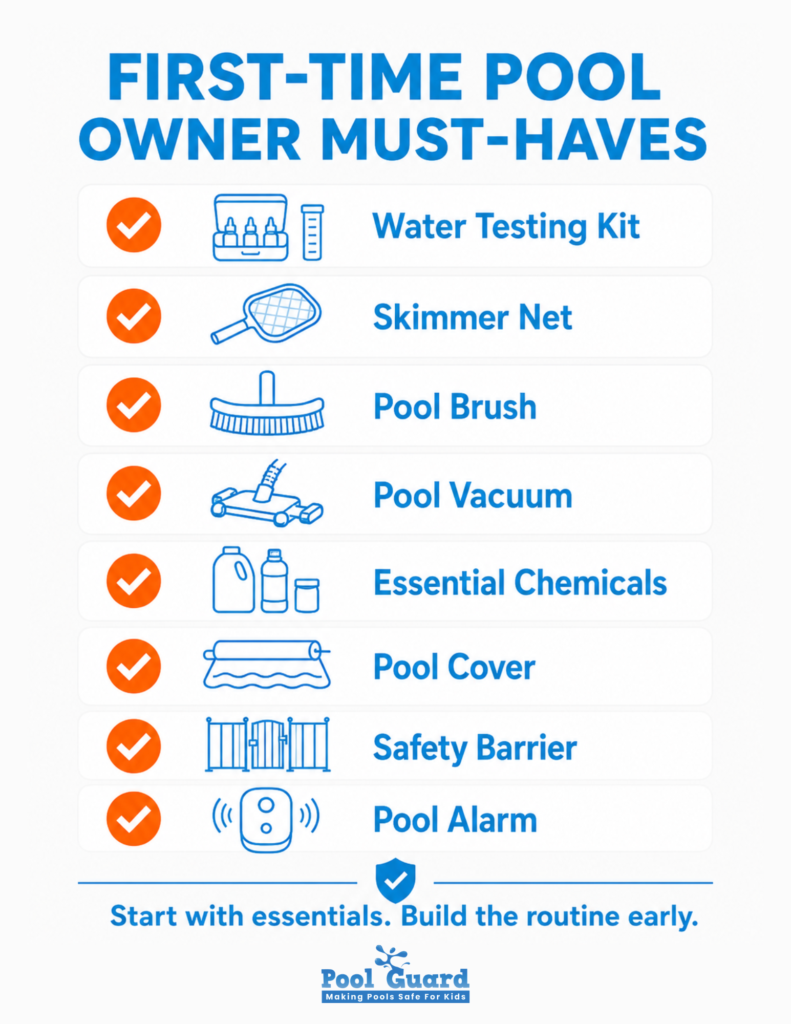
Testing is the foundation of everything. A liquid test kit like the Taylor Complete Test Kit is more accurate than basic strips. Target these levels:
| Parameter | Ideal Range |
| pH | 7.4-7.6 |
| Total Alkalinity | 80-120 ppm |
| Free Chlorine | 1-4 ppm |
| Cyanuric Acid | 30-50 ppm |
| Calcium Hardness | 200-400 ppm |
Maintaining a clean pool requires three fundamental tools. The skimmer net removes floating leaves and insects before they sink and stain the floor. Brushing the walls and tile weekly prevents algae buildup; use steel bristles for plaster and concrete, but soft nylon for vinyl and fiberglass. Finally, use a manual vacuum at least once weekly to remove settled floor debris that your filter cannot reach.
A cover reduces evaporation, blocks debris, retains heat, and provides protection when the pool isn’t in use. For households with children, look for covers meeting ASTM F1346 safety standards.
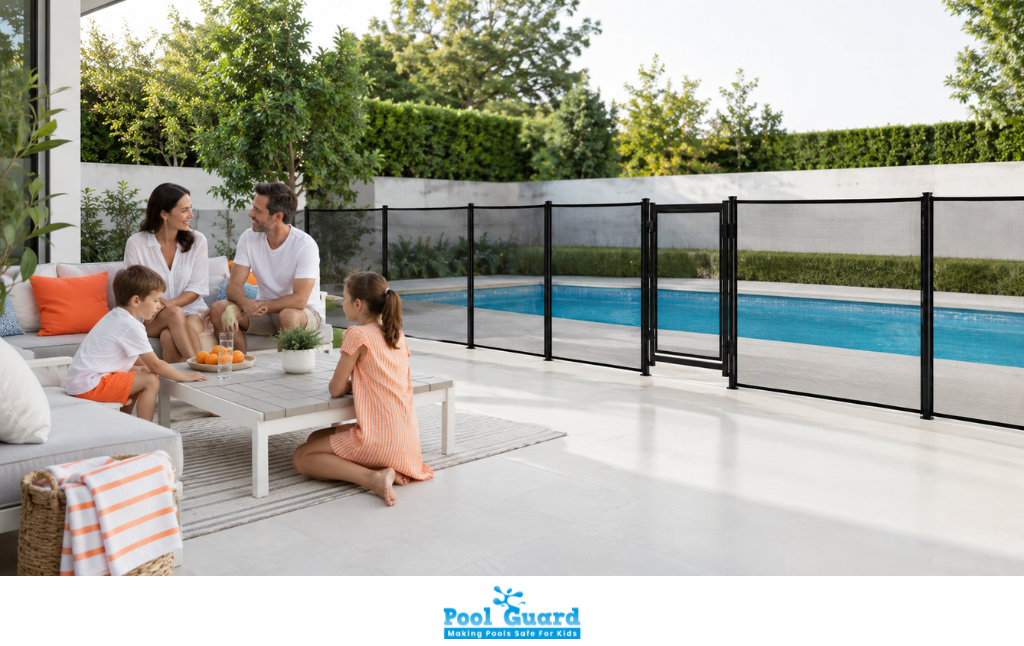
Treating safety equipment as optional is a costly, dangerous mistake. A removable fence, a self-closing gate, and a pool alarm form a vital baseline defense against accidents. Many jurisdictions legally mandate these specific layers of protection to secure the perimeter and restrict unsupervised access.
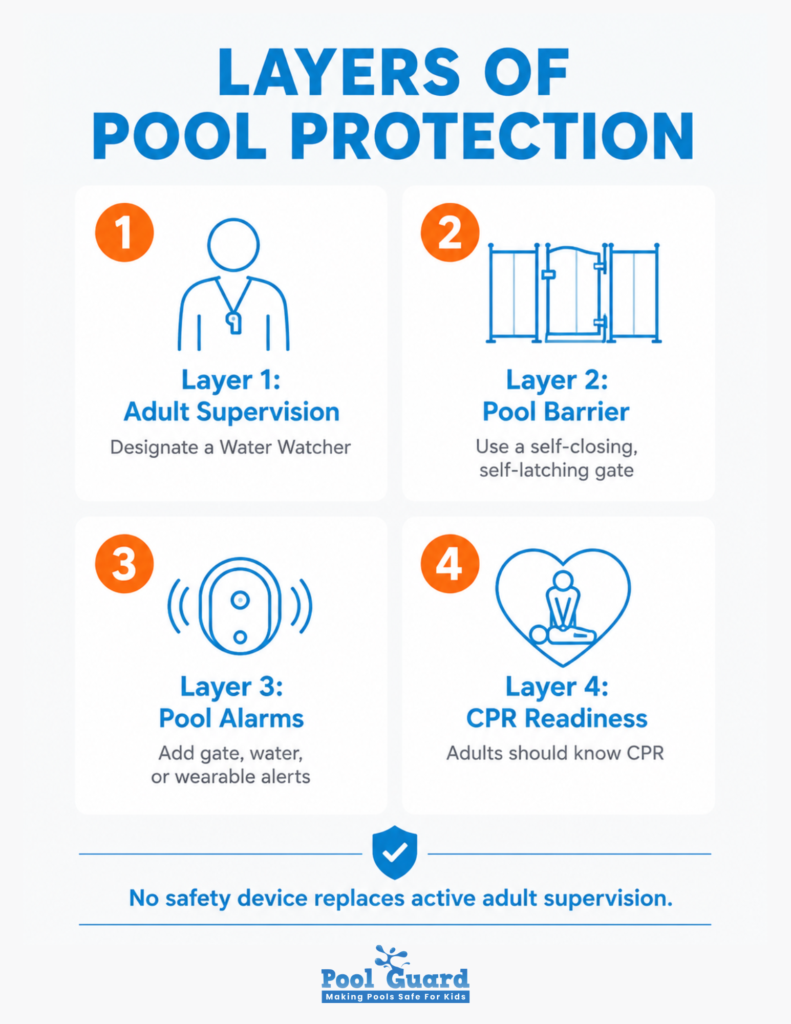
According to CDC data, drowning stands as the leading cause of death for children ages one to four in the United States. While a backyard pool brings immense joy, it remains a serious household hazard that requires rigorous, multi-layered protection.
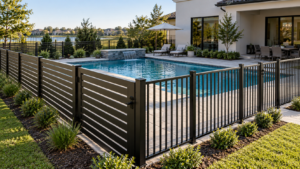
A four-sided fence completely surrounding the water is the single most effective drowning prevention measure available. Following the APA prevention guidelines, a barrier should be at least four feet high, use a self-closing, self-latching gate that opens outward, and have no climbable footholds.
Removable mesh fence systems, such as those from Pool Guard USA, offer maximum flexibility by letting you secure the perimeter during unsupervised hours and dismantle the panels for fully supervised gatherings.
No alarm replaces supervision, but they buy critical seconds in an emergency. Protect your perimeter using these layers:
Designate a sober “Water Watcher” whose sole responsibility is monitoring the pool without phone or social distractions. Every adult in the household should also complete a Red Cross CPR/AED Certification Course, as immediate bystander CPR can double or triple drowning survival rates before emergency medical services arrive.
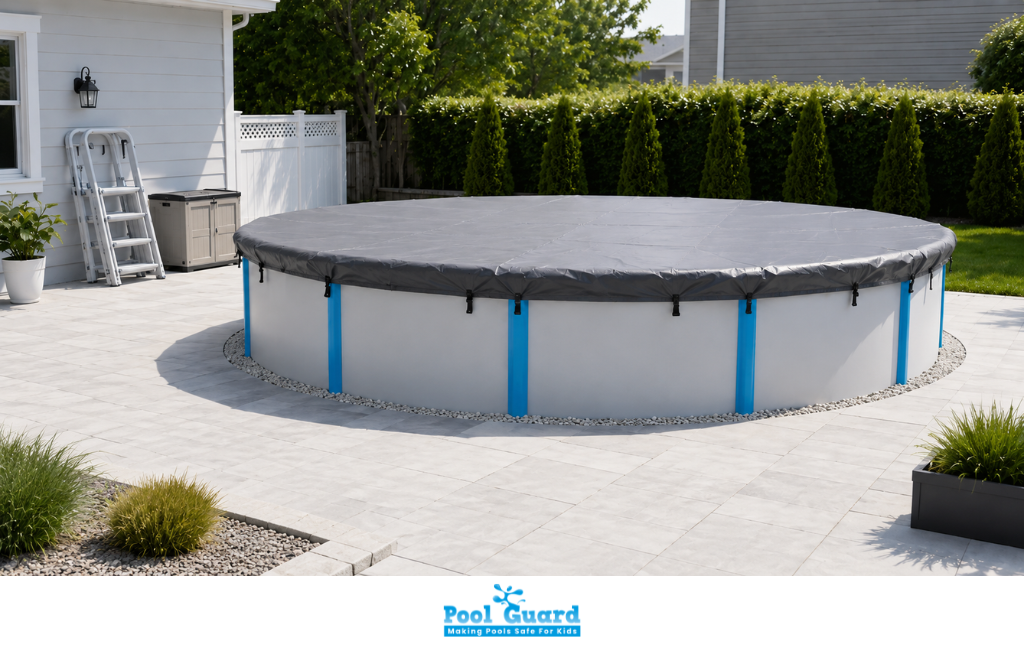
Unlike inground models, above-ground pools require specialized care to protect their structural walls and vinyl materials from rapid wear.
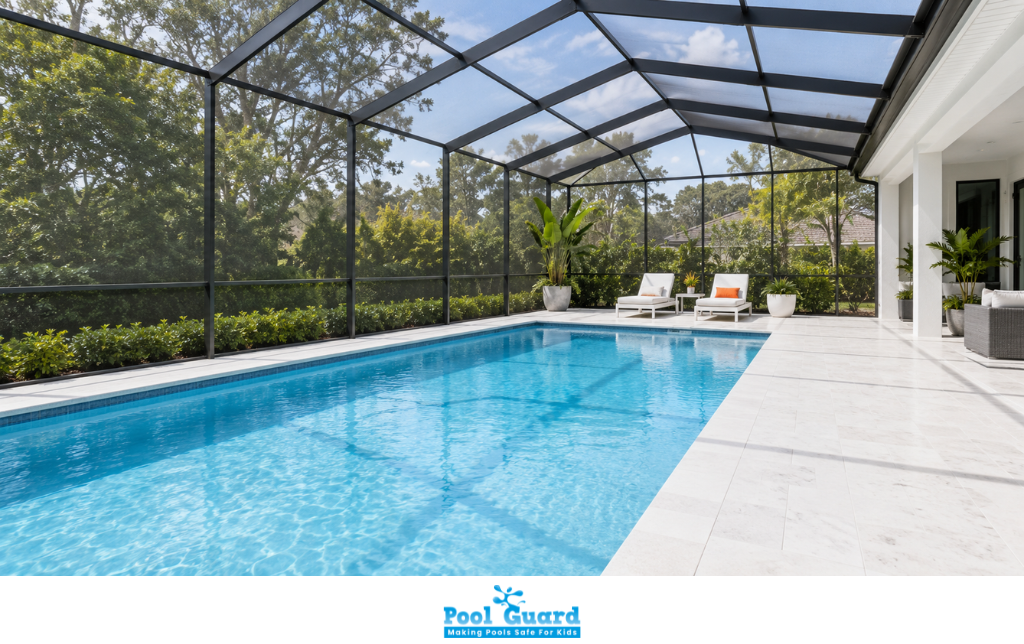
The most successful pool owners treat protection as an investment rather than an expense. Screened enclosures, for instance, drastically cut debris intake. This drop in organic waste lowers your chemical use and prevents equipment clogs, allowing enclosures to easily pay for themselves within a few seasons in high-debris states like Florida and Texas.
Beyond routine cleanliness, structural safety barriers offer a compelling financial case. Proper fencing drastically reduces your personal liability exposure while lowering home insurance premiums. Because many insurance providers mandate compliant fencing as a condition of coverage, neglecting these boundaries can result in denied claims if an accident occurs.
Finally, small routine maintenance habits like cleaning filters and lubricating O-rings extend your equipment’s operational life by years. While owners who defer these minor tasks face frequent, frustrating breakdowns, those who protect their assets from day one enjoy their pools for decades.
Successful pool ownership rests on consistency, safety, and protection. A steady routine reduces chemical exposure, while dependable safety systems protect your loved ones. By investing early in durable covers and barriers, you minimize your daily maintenance workload and significantly extend your pool equipment’s operational life.
As a first time pool owner, establish your weekly routine early, focus on the maintenance essentials, and prioritize safety right away. To fully secure your backyard with professional-grade fencing and pool alarms, contact Pool Guard USA today to request your free safety consultation.
Please fill out the form below with your information. Your local dealer will be notified about your inquiry.
Please fill out the form below with your information. Your local dealer will be notified about your inquiry.