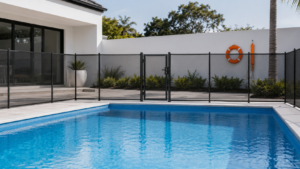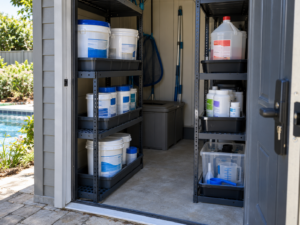
Pet drowning statistics are rarely tracked, inconsistently reported, and widely misunderstood. Unlike child drowning incidents, there is no centralized national database for animal drownings in residential swimming pools. That absence does not mean the risk is small—it means the problem remains largely invisible. These risks closely mirror broader drowning statistics, which show how frequently water-related incidents occur in residential environments.
This article consolidates veterinary clinical data, pool safety research, and residential incident estimates into one authoritative resource on pet drowning statistics and pet pool safety. It is designed for homeowners, veterinarians, animal welfare organizations, and safety advocates who want clear, evidence-based insight into the real scope of pet drowning risk—without assumptions or speculation.
Most credible safety estimates indicate that approximately 5,000 pets drown in backyard swimming pools each year in the United States, with dogs accounting for the majority of reported cases. While this number is frequently cited by pet safety organizations and pool safety advocates, it likely represents only a portion of the true scale of the problem.
Several structural gaps make pet drowning incidents difficult to track accurately:
Stat Callout: Estimated annual pet drownings in residential pools: ~5,000
Despite limited formal tracking, this estimate appears consistently across pet safety organizations and pool safety advocacy groups, reinforcing concerns that pet drownings are both real and significantly undercounted.
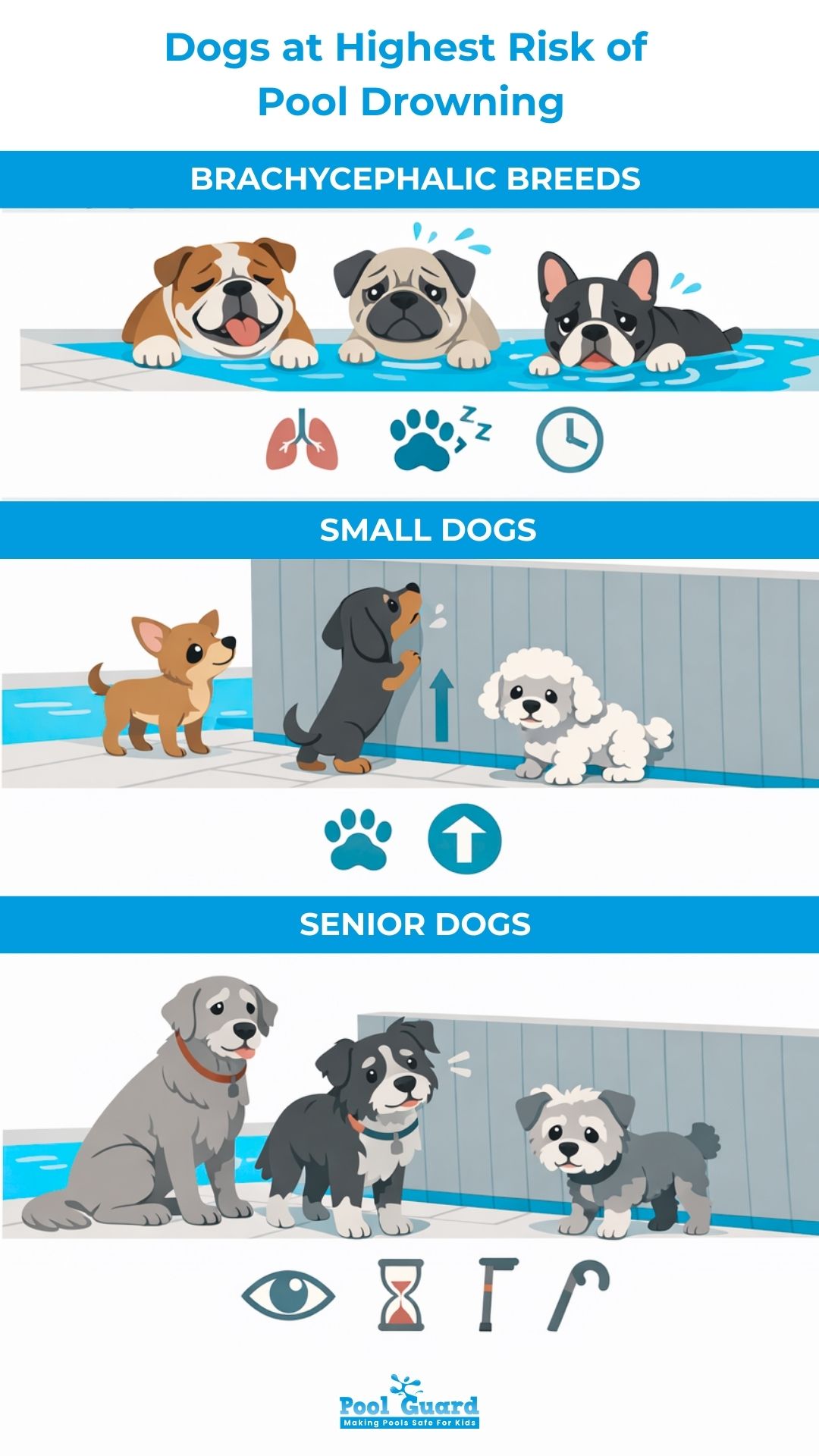
While any dog can drown under the right circumstances, veterinary case reviews and safety reports show that certain groups of dogs are disproportionately represented in pool-related drowning incidents. These risks are often misunderstood or underestimated by well-meaning owners. Many of these risk factors are also discussed in general pool hazards that affect both pets and people.
Some dogs face higher drowning risk due to physical traits that affect breathing, buoyancy, or stamina:
Beyond breed and size, several physical and behavioral factors significantly increase drowning risk:
Breed stereotypes such as “strong swimmer” or “water-loving dog” often obscure these real risks, leading owners to overestimate their pet’s ability to survive a pool incident.
A dog’s ability to swim does not guarantee the ability to survive a pool incident. In fact, most dogs drown due to exit failure, not swimming failure. Once in the water, the challenge is rarely staying afloat—it is finding a way out. This type of silent distress is similar to how long it takes to drown, where visible struggle is often minimal or absent.
Residential swimming pools are often designed with human use in mind, creating escape barriers for animals:
As fatigue sets in, even strong swimmers lose the ability to stay oriented or continue searching for an exit.
Contrary to popular belief, dogs do not typically thrash, splash, or bark when drowning. Panic occurs internally, movement becomes increasingly minimal, and exhaustion develops quietly—often within minutes. This “silent drowning” effect makes pool incidents especially dangerous, as distress can go unnoticed even when people are nearby.
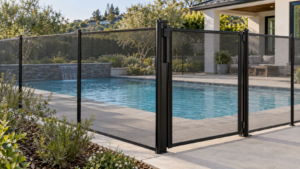
Residential swimming pools present a uniquely dangerous environment for pets, especially when compared to natural bodies of water such as lakes, rivers, or ponds. The design features that make pools convenient and safe for people often create serious escape challenges for animals. Unrestricted access is one of the most common failure points, which is why installing a compliant pool safety fence is strongly recommended.
Several structural and environmental factors make backyard pools particularly hazardous for pets:
Unlike natural water sources, backyard pools offer few visual or physical cues that help animals orient themselves toward safety.
Pet drowning incidents follow predictable seasonal trends tied to pool usage and environmental conditions:
Across all scenarios, unsupervised access remains the single largest risk factor in pet pool drowning incidents.
Although no comprehensive national database tracks pet drowning incidents, pooled findings from veterinary case reviews and pool safety research reveal consistent and concerning patterns. These insights help clarify how and when most pet pool accidents occur.
This pattern closely mirrors child drowning data reported by public safety organizations, including the Centers for Disease Control and Prevention and the Consumer Product Safety Commission, reinforcing a critical takeaway: being nearby is not the same as being protected. These findings align with broader pool safety checklist recommendations that emphasize layered protection rather than relying on supervision alone.
Not all pool safety measures provide the same level of protection. When evaluated by prevention reliability rather than marketing appeal, certain safeguards consistently outperform others. The following measures are ranked based on their ability to prevent incidents—not simply respond to them.
Reactive safety tools can reduce response time, but preventative barriers save lives by stopping pool access before an emergency occurs. Many homeowners also explore a full pool safety equipment list to understand how different tools contribute to overall protection.
Pet pool fencing is consistently the most effective safety measure, and reviewing the best pool fences can help homeowners choose a compliant solution. Instead of reacting to an emergency after it begins, fencing prevents pets from accessing the pool in the first place.
Unlike alarms or rescue tools, fencing works by stopping the sequence of events that leads to drowning:
Alarms can alert homeowners after a fall has already occurred. Fences prevent the fall from happening at all, making them the most reliable layer of pet pool safety.
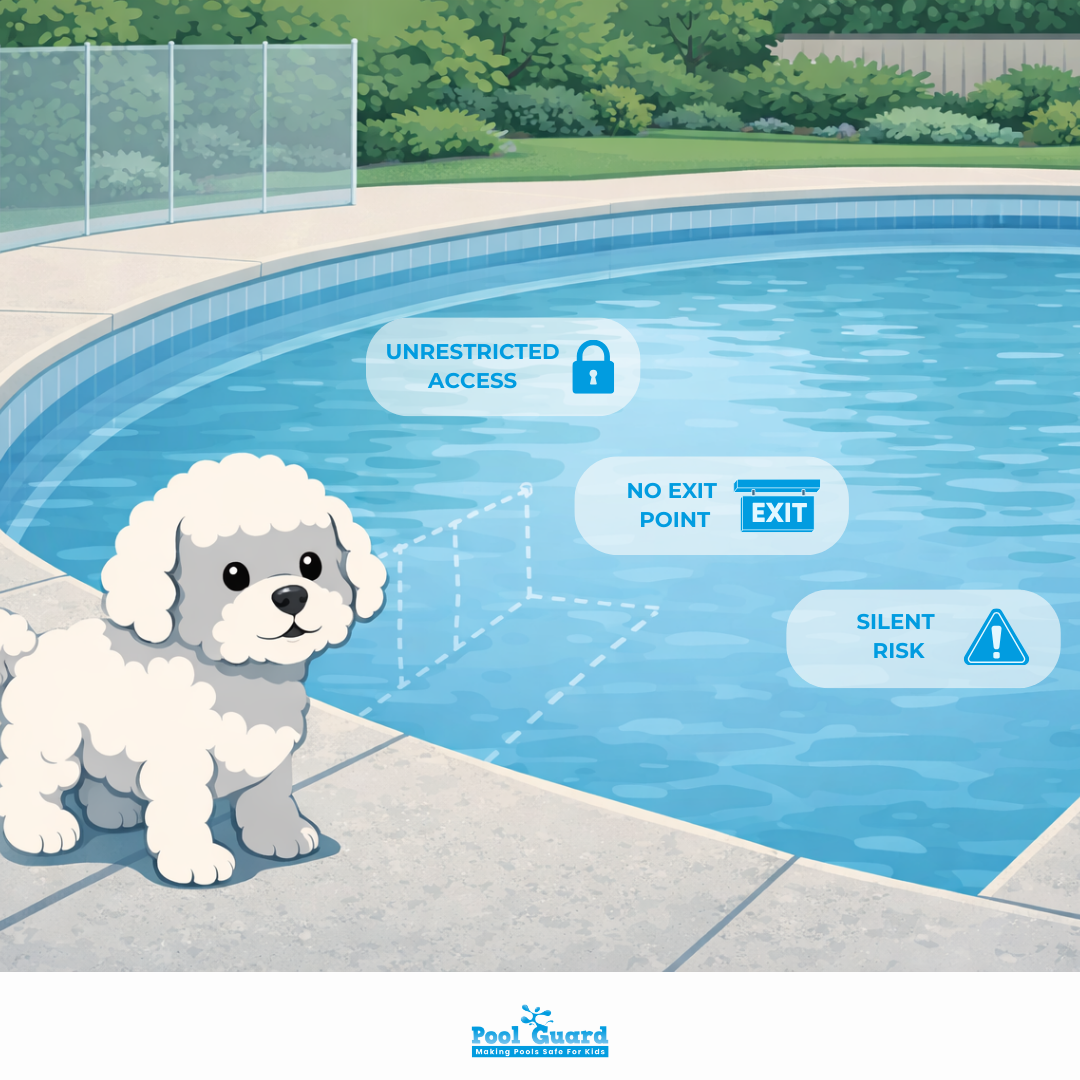
Pet pool drowning is not a rare or isolated event—it is a recurring and largely preventable safety risk in residential environments. The data and patterns are consistent, even when formal reporting is limited.
Pet pool safety is not about supervision alone—it is about systems that don’t fail when humans do.
Pet drowning statistics tell a clear story: the danger isn’t rare—it’s simply undercounted. Sharing accurate data is the first step toward prevention. If you own a pool and a pet, safety planning isn’t optional—it’s part of responsible ownership.
Share this article, explore related pool safety resources, and help close the awareness gap that puts pets at risk.
Share this article, explore pool safety fence options, and review additional pool safety resources to help reduce preventable risks.

Find your local dealer by entering your zip code above.
Please fill out the form below with your information. Your local dealer will be notified about your inquiry.
Please fill out the form below with your information. Your local dealer will be notified about your inquiry.