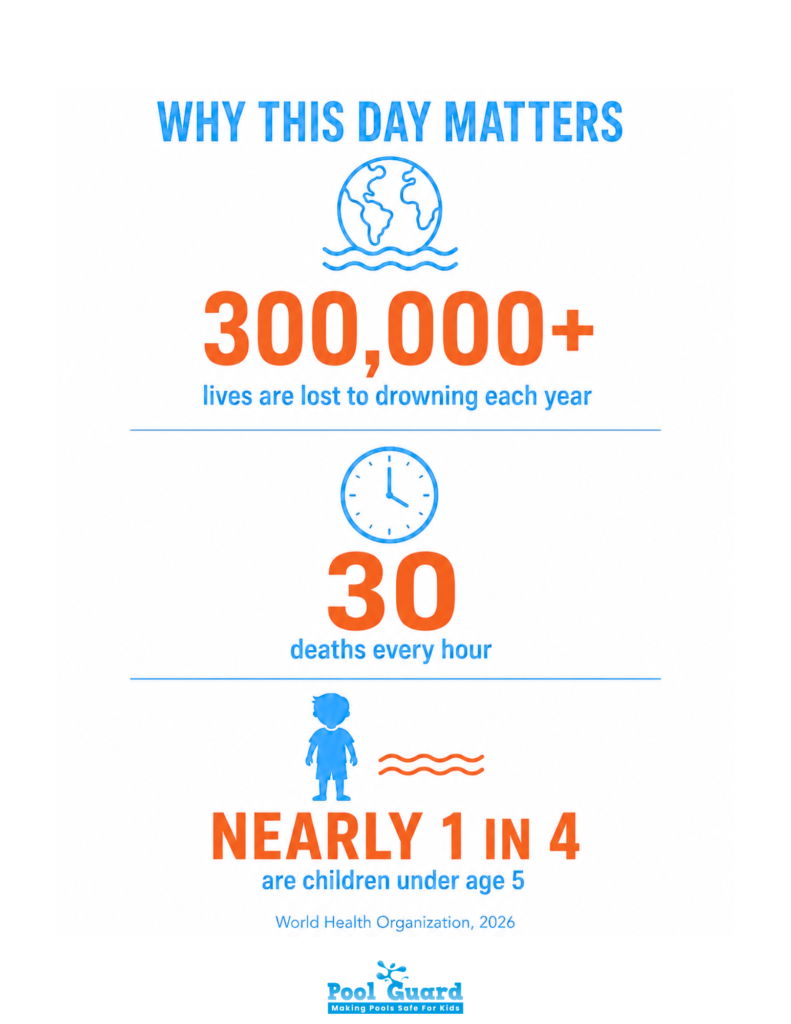
World Drowning Prevention Day, held annually on July 25, addresses a global crisis that claims over 300,000 lives annually, often occurring rapidly and close to home. This initiative highlights the critical need for awareness, education, and proactive measures to prevent fatal water incidents.
This guide outlines the significance of the day and provides a 10-minute pool safety checklist to prevent tragic, preventable incidents. Learn essential facts and actionable steps to secure your home pool and protect your family from danger.
World Drowning Prevention Day is a global advocacy event dedicated to reducing accidental deaths through education and active safety measures. The United Nations General Assembly declared this day in April 2021, recognizing drowning as a major and largely preventable public health crisis.
Backed by the World Health Organization and international water-safety organizations, it focuses on practical prevention, not just awareness, by providing families with the specific tools needed to implement effective safety measures at home.
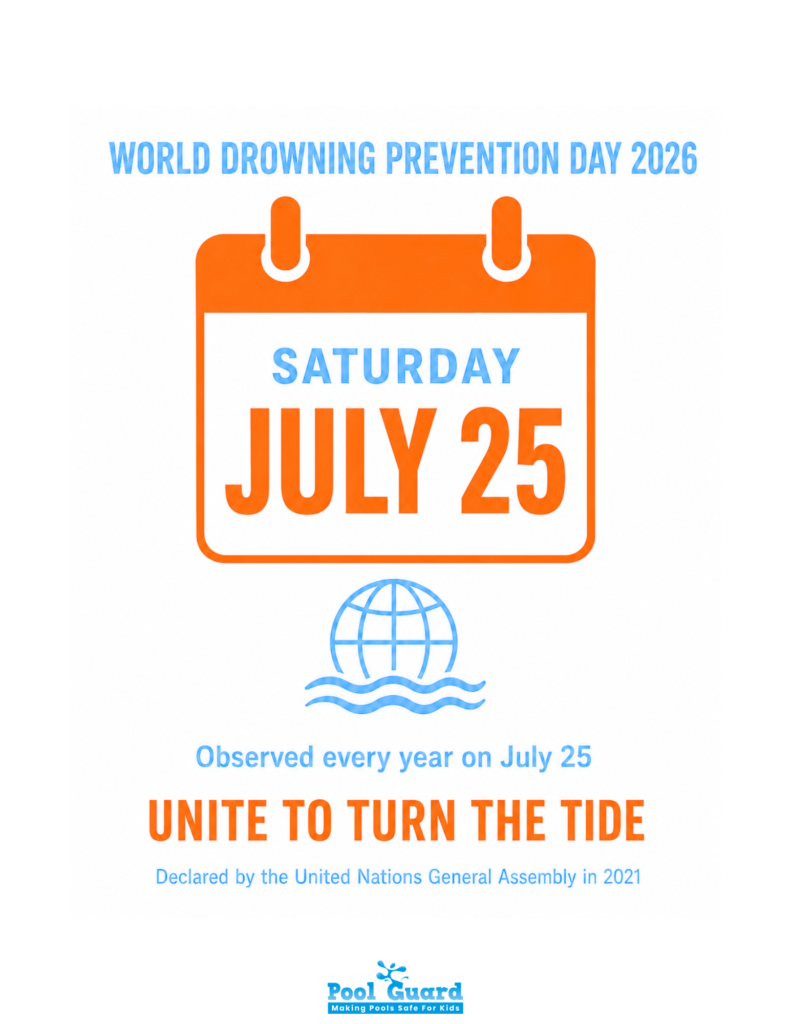
World Drowning Prevention Day 2026 falls on Saturday, July 25.
While some people look for updates under the name National Drowning Prevention Day, the official global observance remains fixed on this July date. Regardless of the terminology used, this timeline serves as a critical safety benchmark for families, communities, and pool owners worldwide.
This date functions as an annual reminder to perform physical safety inspections, such as checking fence lines and testing gate latches. Rather than being a one-day event, it serves as a recurring trigger to evaluate water-safety habits and reinforce preventive measures before accidents occur.
Drowning is fast, silent, and often preventable. It can happen in seconds, even when an adult is nearby. Understanding the risks is the first step toward keeping children and adults safe around water.
The most effective approach is to use multiple layers of protection. Combining active supervision, barriers, swim skills, and emergency preparedness helps reduce the risk that a single mistake or brief distraction will lead to a tragedy.
Most drowning prevention doesn’t require special equipment. It requires consistent habits:
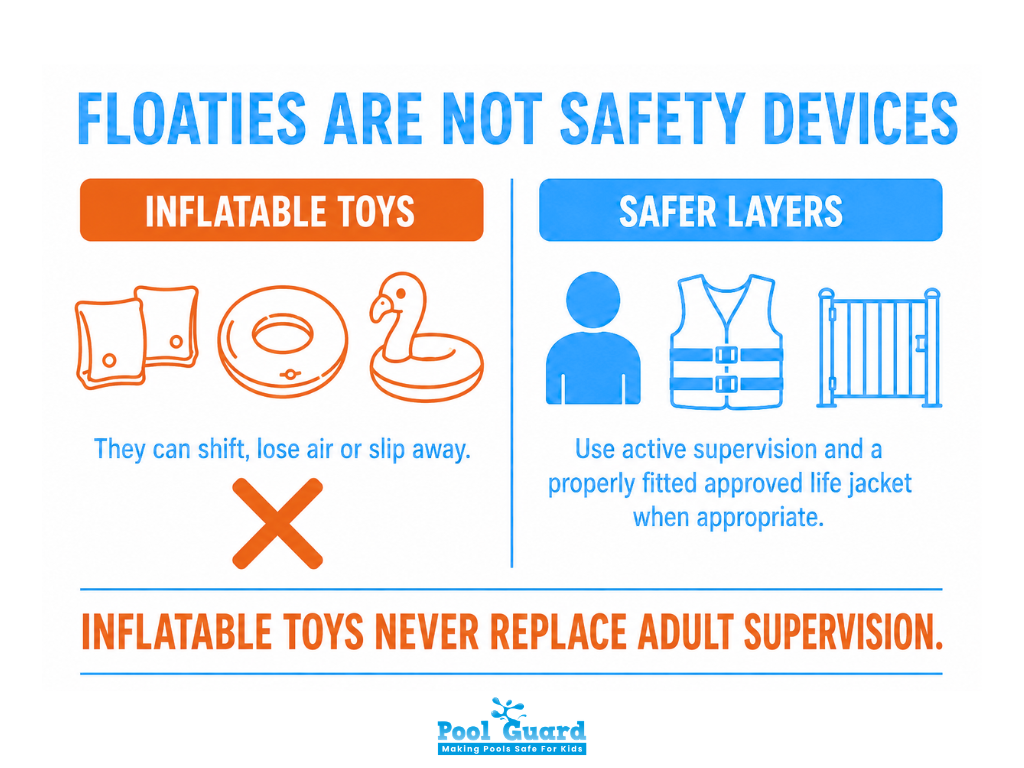
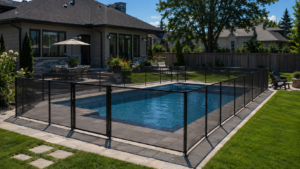
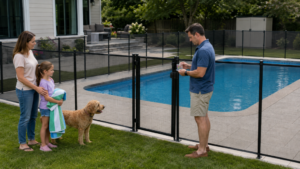
Pool barriers help prevent unsupervised access to the water, reducing the risk of accidental drownings, especially among young children. They provide continuous protection when active supervision isn’t possible.
Barriers are most effective when they’re properly maintained and used as part of a layered approach to water safety. Pool fences, gates, safety covers, and pool nets should be inspected regularly to ensure they function as intended, while always complementing, not replacing, active supervision, swim skills, and emergency preparedness.
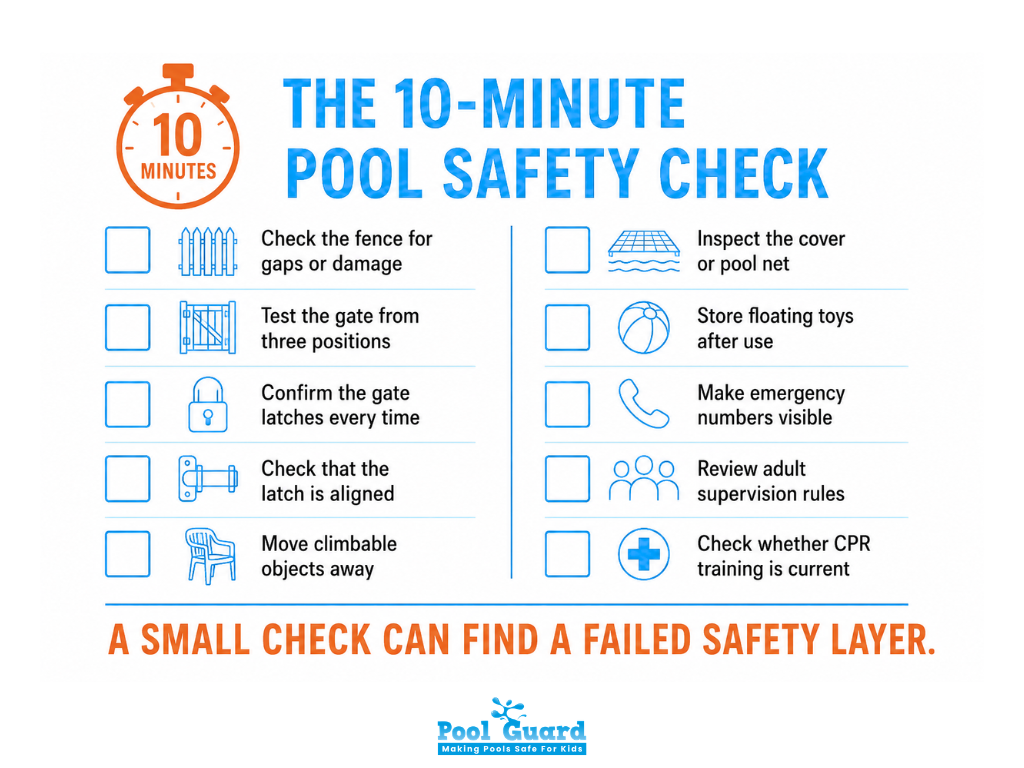
Use July 25 as your annual prompt to walk through this list:
Ten minutes is a small investment against the risk it addresses.
Physical barriers are among the most effective safety measures a pool owner can add. Pool Guard USA helps families build that layer with:
The goal is simple – help families add a reliable physical safety layer around residential pools, so supervision isn’t the only thing standing between a child and the water.
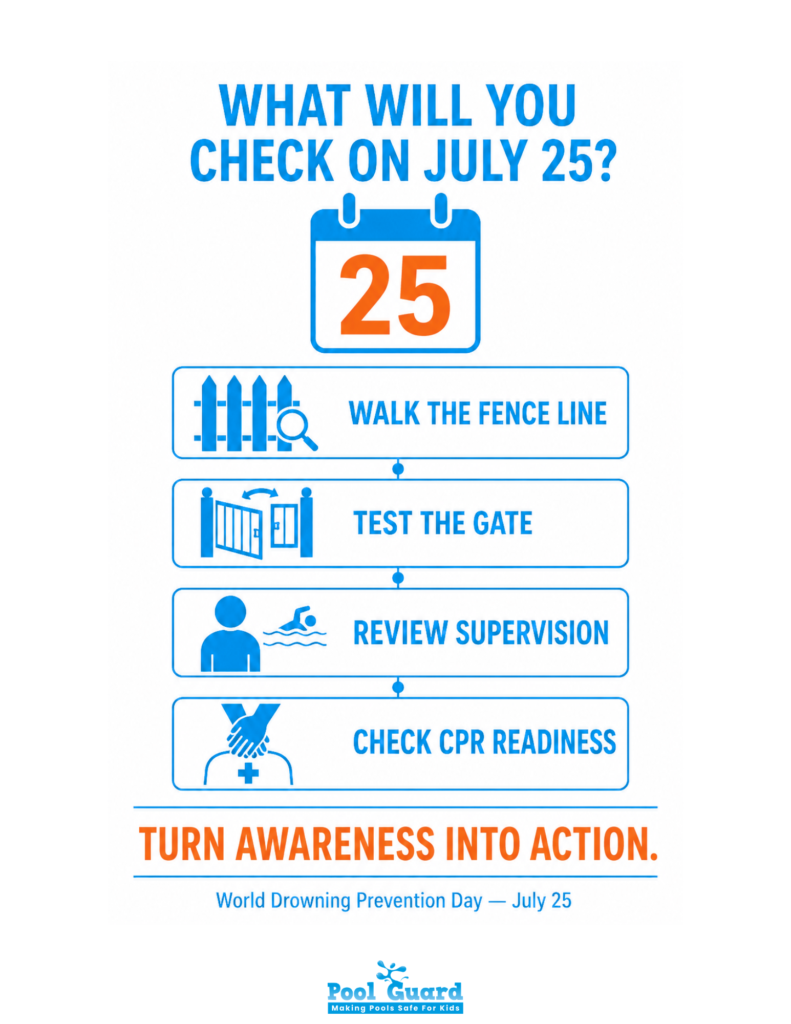
World Drowning Prevention Day serves as a vital annual reminder that water safety requires continuous action. By implementing overlapping defenses and regularly checking them, families can successfully eliminate avoidable risks and keep their loved ones safe.
Walk your fence line, test your gate latches, and confirm that every single layer of protection around your pool is functional today.
Please fill out the form below with your information. Your local dealer will be notified about your inquiry.
Please fill out the form below with your information. Your local dealer will be notified about your inquiry.