
Is a loose pool light dangerous? Yes—and it’s more than a cosmetic issue. A loose pool light can signal a failure in critical electrical safety protections, increasing the risk of electrical shock or stray voltage. The danger doesn’t come from the light simply being underwater, but from what changes when it’s no longer securely sealed, bonded, or stable.
When a pool light becomes loose, seals can fail, wiring can be stressed, and water can enter the fixture. These issues can compromise grounding and bonding systems that are designed to keep swimmers safe. Even if the light still works, a loose fixture should be treated as a serious warning sign that requires immediate attention. Electrical hazards are just one category of risk, alongside other common pool hazards that homeowners often overlook.
Modern pool lights—especially LED models—are engineered as sealed, low-voltage electrical systems designed to operate safely underwater. When installed correctly, a pool light relies on several built-in safety layers working together:
When all of these elements remain intact and undisturbed, pool lights are generally safe. Problems arise when one or more of these protections are compromised—especially if the light becomes loose, damaged, or improperly installed. Electrical failures are one of several risks addressed in a complete pool safety checklist.
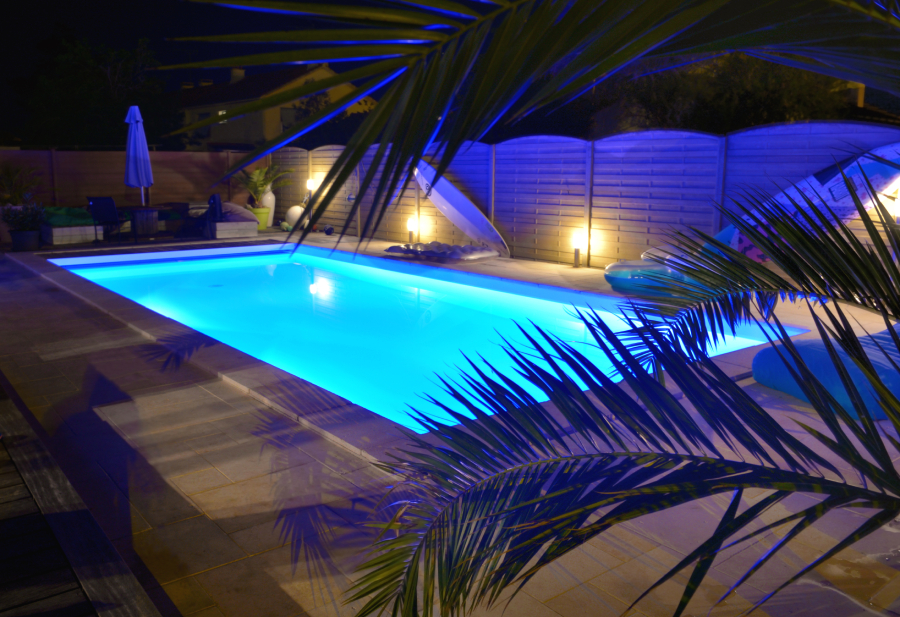
Water is an excellent conductor of electricity, which is why pool lighting systems must comply with strict safety standards set by the National Electrical Code (NEC). These standards are built around redundancy—meaning multiple safeguards are in place so that if one fails, others step in to prevent harm.
At a basic level, the system works like this:
This layered approach is what keeps pool lights safe under normal conditions. However, a loose pool light can compromise several of these protections at the same time—significantly increasing risk.
When a pool light shifts, tilts, or pulls away from its niche, it’s no longer just a mounting issue—it’s a structural and electrical one. Even minor movement can trigger a chain reaction of failures inside the fixture:
This is where risk truly begins—not because the pool light is old or outdated, but because the safety system it relies on is no longer fully intact. Once that protective integrity is compromised, the likelihood of shock or electrical failure increases over time, not all at once. Small issues like a loose pool light often signal deeper problems, which is why regular pool inspections matter.
Most modern pool lights operate at 12V or 24V, with power stepped down from household electricity through a transformer. These low-voltage systems are intentionally designed to dramatically reduce the risk of electrocution, especially when paired with proper grounding, bonding, and GFCI protection.
However, not all pools are modern. Older pools—or pools that were poorly retrofitted—may still use 120V line-voltage lighting. In these systems, failures are far more dangerous, particularly if the fixture becomes loose or compromised.
The key distinction comes down to system design and condition:
In other words, voltage alone doesn’t determine safety. A loose pool light can turn an otherwise safe system into a serious hazard if multiple protections fail at once.
Electrocution from a pool light is rare, but it becomes possible when multiple safety failures overlap rather than from a single issue alone. Risk increases significantly when two or more of the following conditions occur at the same time:
These situations are uncommon—but they are documented in real-world cases. The key takeaway isn’t panic; it’s awareness and early intervention. Addressing a loose or leaking pool light early prevents small issues from escalating into serious electrical hazards over time.
Pool lighting safety relies on three critical electrical protections working together. Each one plays a distinct role in preventing shocks and more serious accidents:
When these systems are intact, they create multiple layers of protection. However, a loose pool light can interfere with all three—especially bonding, which depends on secure, continuous connections. Once bonding is compromised, even low-voltage systems can become unpredictable, increasing overall electrical risk.
Yes, a pool light can shock you—often in subtle ways before the situation becomes serious. If swimmers experience any of the following sensations in the water, it should be taken seriously:
These symptoms are commonly caused by stray electrical voltage, not imagination. Stray voltage can enter pool water when safety systems are compromised, often due to:
Even mild shocks are an early warning sign of electrical failure. Ignoring these sensations increases the risk of more severe electrical incidents over time.
Even low-level electrical shocks in a pool should never be dismissed. Mild tingling or buzzing sensations often signal that something in the electrical system has already failed, not that it’s “almost” failing. These early shocks are dangerous because they:
Tingling in the water should always be treated as an emergency warning, not a curiosity or inconvenience.
Many serious pool light failures are preceded by small, visible signs that are easy to overlook:
These are not normal signs of aging or wear. They are safety alerts that require immediate inspection by a qualified professional.
Yes. Water inside a pool light is always dangerous, even if the light still turns on. A functioning light does not mean a safe light. Water intrusion indicates that the fixture’s protective barriers have already failed, increasing the risk of electrical faults over time.
Pool lights are designed to remain completely dry on the inside. When water enters the fixture, it typically means one or more critical safety protections have been compromised, including:
Once moisture is present, deterioration often continues even if the problem isn’t immediately visible.
Water inside a pool light usually results from one of the following issues:
Electrical systems rarely fail all at once. Corrosion and insulation breakdown happen gradually—and often silently. A pool light can continue operating for weeks or months after water intrusion begins, all while the risk of electrical failure steadily increases. That’s why any visible moisture inside a pool light should be treated as an immediate safety issue, not a maintenance inconvenience.
Pool lights are not inherently dangerous. When properly installed and maintained, they are designed to operate safely underwater for years. Risk depends almost entirely on condition, installation quality, and maintenance, not on the presence of pool lighting itself.
Pool lights are generally safe when the following conditions are met:
When these elements are in place, the likelihood of electrical shock or stray voltage is extremely low.
Risk increases when one or more safety systems are compromised, particularly when:
These conditions allow small issues to escalate into serious electrical hazards over time.
The safest pool lighting systems share a few critical characteristics:
Consistent maintenance—not luck—is what keeps pool lights safe.
A loose pool light isn’t just an aesthetic problem—it’s a mechanical and electrical warning sign. Even small amounts of movement can place stress on components that were designed to remain fixed and sealed.
Even minimal movement of a pool light can trigger multiple points of failure:
What appears minor on the surface often leads to hidden internal damage.
A loose fixture rarely fails all at once. Instead, problems compound gradually:
Loose today → leaking tomorrow → corrosion next → electrical fault later.
This is risk compounding, not a single isolated failure.
Ignoring a loose pool light increases both safety and financial risks:
These conditions require immediate professional inspection—delay only increases risk.
Some warning signs require immediate attention from a licensed pool or electrical professional. Do not delay if you observe:
These signs indicate underlying electrical or structural issues that should be evaluated by a qualified expert.
Certain pool light repairs carry serious safety risks and should never be handled without professional training:
DIY fixes can unintentionally compromise safety systems and significantly increase the risk of shock or electrical failure.

Is a loose pool light dangerous? Yes—because looseness signals a breakdown in the safety systems that protect swimmers. Pool lights are only safe when they are fully secure, sealed, and properly bonded. Water inside a pool light is never acceptable, and tingling sensations should always be treated as a warning, not a mystery.
Pool safety isn’t about fear—it’s about awareness and fast action. Addressing a loose or leaking pool light early prevents small issues from turning into serious electrical hazards and keeps your pool safe for everyone.
Please fill out the form below with your information. Your local dealer will be notified about your inquiry.
Please fill out the form below with your information. Your local dealer will be notified about your inquiry.