A cloudy pool isn’t a cosmetic problem. It’s a safety failure, and the moment your water loses clarity, the pool is closed—no exceptions.
The CDC’s visibility rule is simple:
If you cannot clearly see the main drain at the deepest point, it is unsafe to swim.
Cloudy water strips away the only thing that gives you reaction time in an emergency: visibility. This loss of visibility is one of the most overlooked pool hazards homeowners underestimate until it’s too late.
Most drowning incidents are silent. No splashing, no yelling—just a body slipping beneath the surface where no one can see them. Cloudy water turns that risk from possible to probable.
For families with children, pets, or visiting guests, the equation is even more unforgiving:
Clear water + physical barriers = complete protection. Lose one, and the risk skyrockets. Understanding how long it takes to drown makes it clear why even seconds of lost visibility matter.
It doesn’t matter whether your pool turned cloudy from dirt, debris, chemistry issues, or last night’s storm. If the water is no longer transparent enough to see the bottom clearly, nobody should be in that pool.
A cloudy pool fails the two most basic safety checks:
Cloudiness is not an “appearance issue.” It is a visibility hazard—and visibility is one of the most fundamental drowning-prevention standards.
The most serious threat isn’t algae, pH imbalance, or irritation. It’s the simple fact that you cannot detect distress underwater.
A submerged child or adult can disappear from sight in seconds. Cloudiness removes every chance of spotting them in time. Even in clear water, visibility matters—which is why choosing the best swimsuit colors for pool visibility can significantly improve detection time in an emergency.
Even lifeguards at commercial pools close the water immediately when visibility drops. Homeowners should be even more strict, because there is no trained observer scanning the pool.
Cloudy water = hidden swimmers.
Hidden swimmers = delayed rescue.
Delayed rescue = drowning.
This is exactly why having a designated water watcher is critical when supervision is the only remaining safety layer.
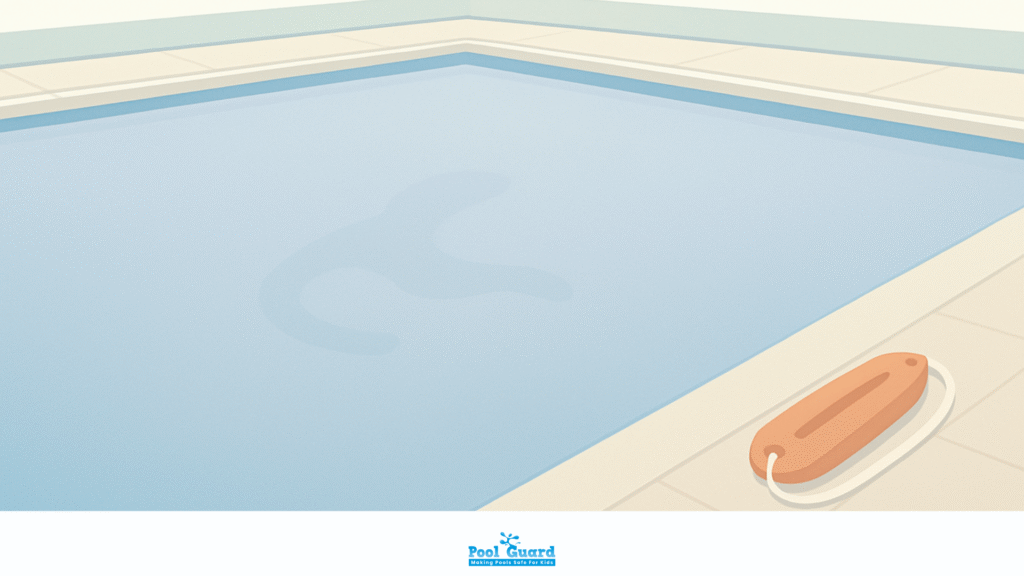
Depth perception collapses when water clarity drops. Swimmers can’t judge:
This makes cloudy water a perfect setup for:
Even mild cloudiness disrupts visual cues. If the water isn’t fully clear, it’s unsafe.
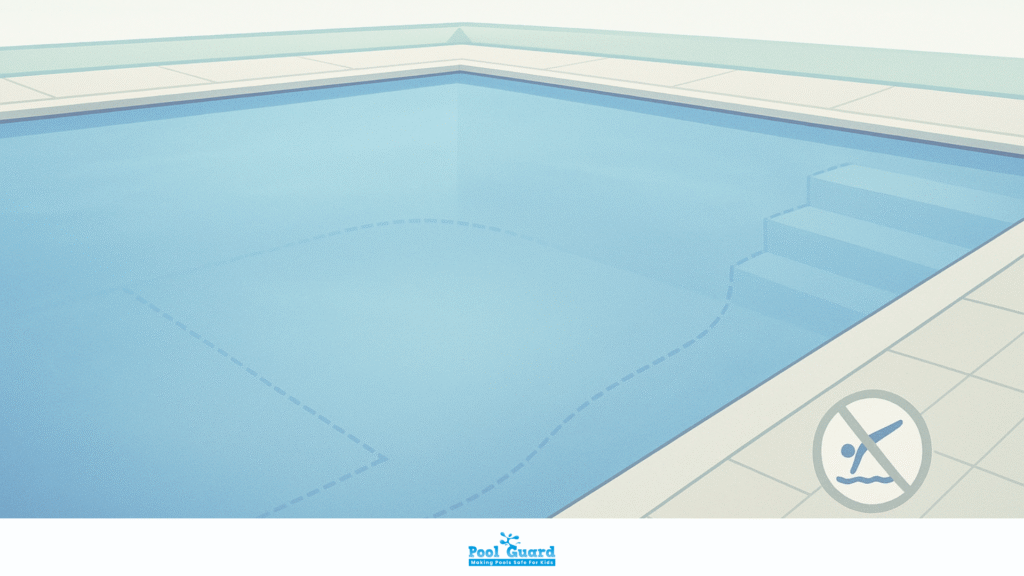
When filtration or sanitization fails, contaminants build up:
These same risks apply in situations like swimming with frogs in your pool, where bacteria is introduced into the water. Cloudiness is usually the symptom. The underlying causes are what should concern you.

Your goal isn’t to become a chemist—it’s to understand which failures make the water unsafe.
If your filter isn’t circulating or capturing particles properly, water clarity drops fast.
Typical culprits:
Poor filtration = suspended particles = no visibility.
Every pool has “dead spots” where water barely moves—behind ladders, corners, steps, benches.
Cloudiness often begins in these pockets before spreading.
Low circulation → debris + bacteria → cloudiness → visibility loss.
Heavy rain, storms, wind, pollen, mulch, dust, and grass clippings can instantly cloud a pool.
Stormwater also dilutes chlorine levels, creating the perfect window for bacteria to multiply.
If clarity drops after weather events, the pool closes until clear.
You don’t need a chemistry lecture. Just understand these simple truths:
Chemistry problems aren’t just inconvenient—they often signal that sanitation is compromised. Water that looks unsafe often is—see can pool water make you sick for the health side of these failures.
These rules are simple, repeatable, and life-saving.
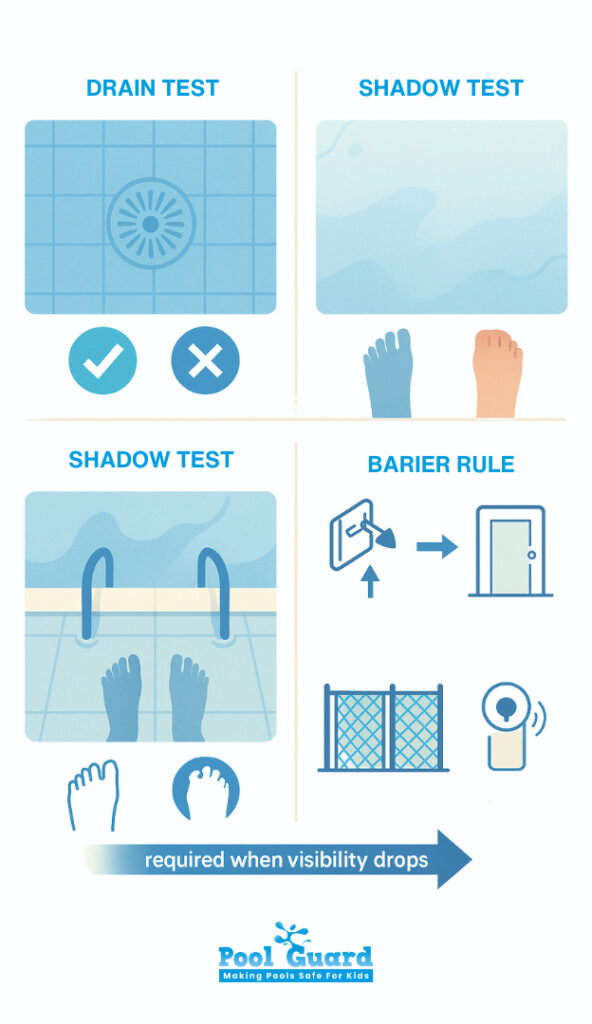
If you cannot clearly see the main drain in the deepest part of the pool:
POOL. IS. CLOSED.
End of debate.
Stand on the first step and look down. If you can’t see your own shadow or feet clearly, clarity has already dropped below safe limits.
When clarity drops, risk increases — meaning your barriers matter even more.
At minimum:
Cloudy water is exactly when most unsupervised, unnoticed entries lead to drowning deaths.
Nobody wants a chemistry deep dive — you want the shortest path to safe water.
Clarity problems are filtration problems until proven otherwise.
If the filter isn’t moving water, no chemical will fix cloudiness.
Organic material → chlorine demand → cloudiness.
Brush walls + floors to lift fine particles into circulation.
Sanitizers require movement to work.
Shocking before fixing circulation is wasted money.
Shocking after restoring circulation removes bacteria and organic contaminants efficiently.
These aren’t “safety tools”—they’re polishing steps for final clarity.
Use only after filtration and sanitation are under control.
Whether it’s debris, failed filtration, or chemistry imbalance doesn’t matter.
If you cannot see the bottom, the pool is unsafe—full stop.
But pool safety isn’t one layer. It’s a system:
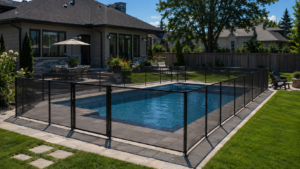
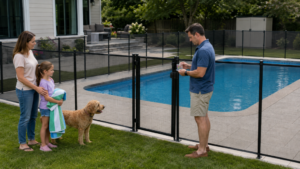
When clarity fails, your barriers become your lifeline.
Pool Guard USA offers the safety equipment that protects families when clarity drops:
If you’re serious about preventing drownings, you start with visibility and back it up with barriers.
Please fill out the form below with your information. Your local dealer will be notified about your inquiry.
Please fill out the form below with your information. Your local dealer will be notified about your inquiry.