Drowning emergencies rarely give clear warning. They can unfold quietly, leaving bystanders only seconds to recognize what is happening. Knowing how to save someone from drowning can help you respond quickly without putting yourself in danger. The safest response often starts with staying calm, calling for help, and choosing the right rescue method.
This guide explains how to recognize drowning, respond from land, and help when flotation equipment is unavailable. It’ll also cover what to do after a rescue, including CPR, AED use, and medical care. Just as importantly, you’ll learn which common rescue mistakes can turn one emergency into two.
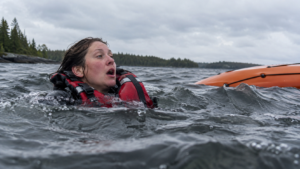
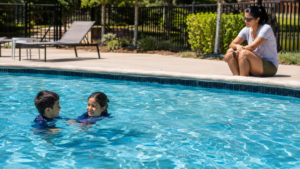
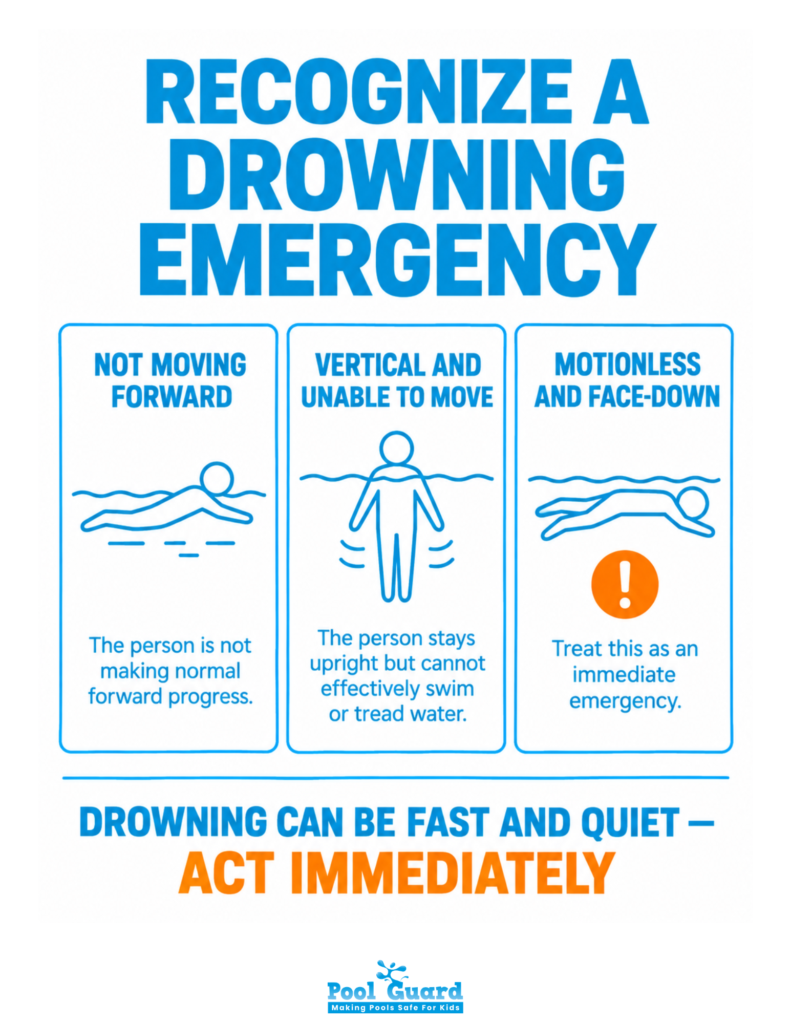
Drowning rarely looks dramatic. A person may be almost silent and unable to shout or wave because all their effort is focused on breathing. Watch for these signs:
These signs can last only 20 to 60 seconds before submersion. If someone looks unusually still, vertical, or unable to move normally, act quickly. Call out to them, alert a lifeguard or another adult, and treat a lack of response as an emergency.
Once you’ve recognized the emergency, act immediately and be specific about who needs to do what.
Don’t rely on a general shout for help. In a crowd, people may assume someone else will act. Directing a specific person makes it much more likely that help is actually called.
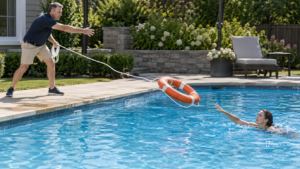
The safest rescue usually keeps you out of the water. If possible, reach toward the person with a pole or other object, or throw something that floats, such as a life ring or rescue buoy. From a boat, keep your weight low and help from a stable position rather than letting a panicked swimmer climb aboard.
Entering the water should be a last resort unless you have proper rescue training. A drowning person may grab or push down on a rescuer, putting both people at risk.
The priority is simple: reach, throw, or use a watercraft before attempting an in-water rescue.
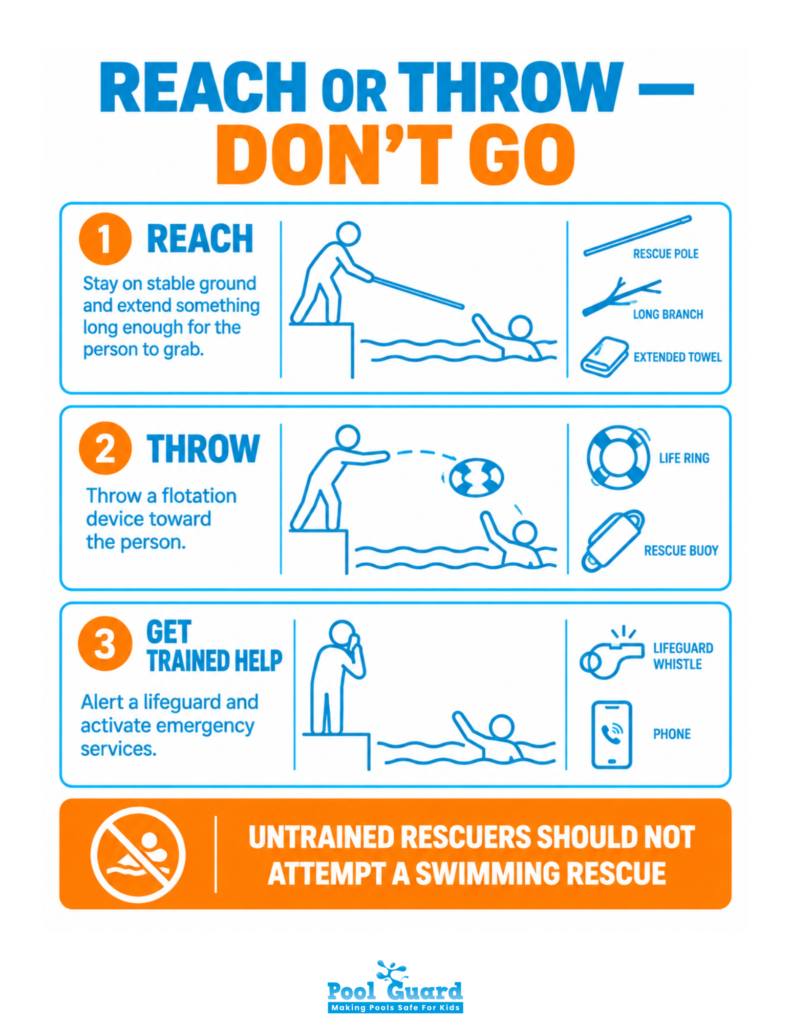
If no flotation device is available, look for a way to help without entering the water. Reach with a pole, towel, branch, chair, or anything long enough to extend your reach. If the person is unconscious or too far away, call emergency services immediately and direct responders to the exact location.
Entering the water is much more dangerous. If there is absolutely no alternative and you are a strong, trained swimmer, approach cautiously and, whenever possible, keep an object between you and the person. Never allow a panicked swimmer to grab your neck or shoulders. Untrained in-water rescues can quickly create a second victim.
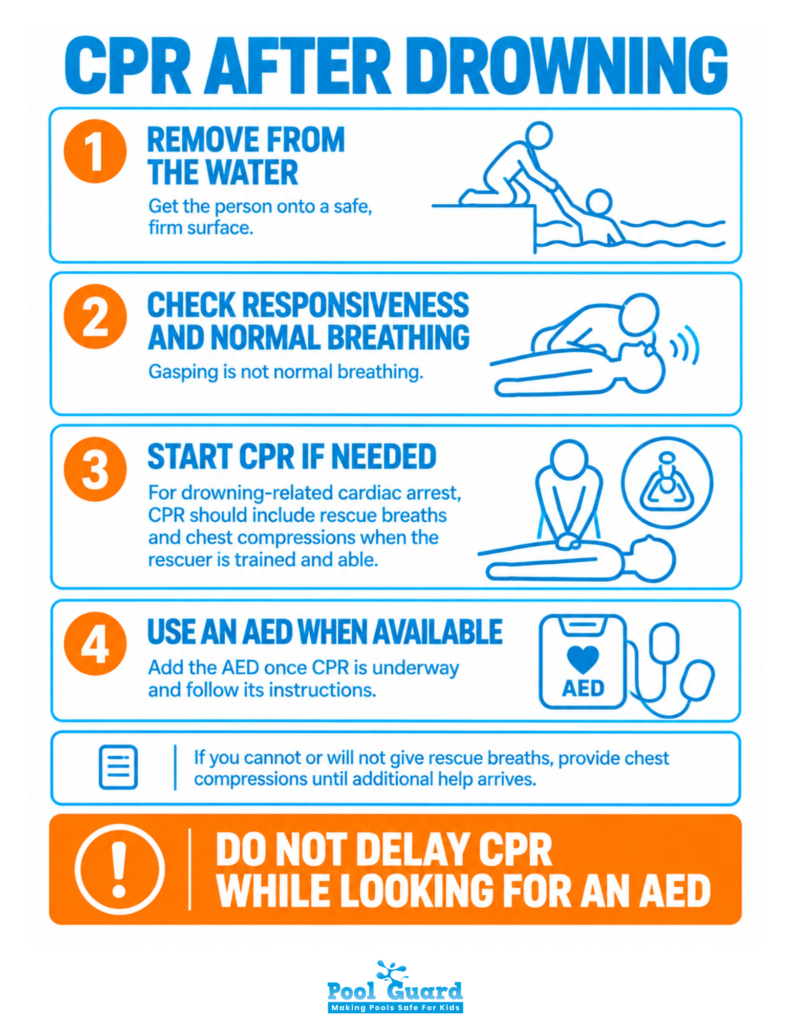
Once the person is out of the water, check whether they are responsive and breathing normally. If they are unresponsive and not breathing normally, including only gasping, call emergency services and begin CPR immediately. If they are breathing normally, keep them warm and monitor them closely while waiting for help, since even a near-drowning that looks resolved can still turn serious hours later.
If the person is not breathing normally, start CPR immediately. Do not waste time trying to drain water from their lungs. Because drowning causes oxygen deprivation, rescue breaths are especially important when you are trained to provide them. Use an AED as soon as one is available, dry the chest, attach the pads, and follow the device’s instructions. Continue CPR until the person starts breathing normally, professional help takes over, or you are physically unable to continue.
Even if the person appears to recover, medical evaluation may still be important because breathing problems can develop after a drowning incident. Watch for persistent coughing, difficulty breathing, chest discomfort, unusual tiredness, or confusion. Seek emergency medical care immediately if these symptoms appear. The term “secondary drowning” is outdated; the concern is complications that can develop following the original drowning event.
The most common way a rescue becomes a double drowning is jumping in without training, a flotation device, or a plan. If possible, reach or throw something to the person rather than entering the water yourself.
Don’t try to drain water from the person’s lungs or use abdominal thrusts (the Heimlich maneuver). Neither is appropriate for drowning, and both can delay the treatment the person actually needs.
Chest compressions should not be performed in the water. Get the person fully out and onto a firm, flat surface before starting CPR.
Don’t delay care while searching for the “right” rescue tool. If equipment isn’t immediately available, call 911, shout for help or alert a lifeguard, or start appropriate first aid as soon as possible.
Every second matters, so use what is immediately available rather than losing critical time searching for equipment.
A person who is conscious and breathing after a drowning incident may still need medical evaluation. Don’t assume they’re out of danger simply because they appear to have recovered.
Learning how to save someone from drowning comes down to a simple sequence. Recognize it fast, call for help, reach or throw before swimming, then follow through with aftercare. The best rescues are calm and methodical: the rescuer stays on land, uses what’s within reach, and gets help moving fast.
Better still is preventing the emergency altogether. Four-sided pool fencing with a self-latching gate, constant supervision, life jackets for weak swimmers, and swim lessons all lower your risk. Pair that with a certified CPR course and you’re covered on both ends.
If your pool lacks proper fencing, that’s the first thing to fix. At Pool Guard USA, we install removable safety fencing built for exactly that purpose. It’s one of the most effective ways to prevent drowning before it starts.
Please fill out the form below with your information. Your local dealer will be notified about your inquiry.
Please fill out the form below with your information. Your local dealer will be notified about your inquiry.