Swimming pool injuries often begin with everyday moments that seem harmless. A slippery deck, rough play, or a brief distraction can quickly turn dangerous. While pools are built for fun and relaxation, they also combine water, concrete, electricity, and powerful equipment in one space. That mix creates risks that many people underestimate until an accident happens.
This guide will break down the most common swimming pool injuries and the hazards behind them. You’ll learn how drowning, diving accidents, drain entrapment, and chemical exposure happen more often than most people realize. It’ll also cover practical prevention strategies, safer pool design, and the legal responsibilities tied to pool safety.
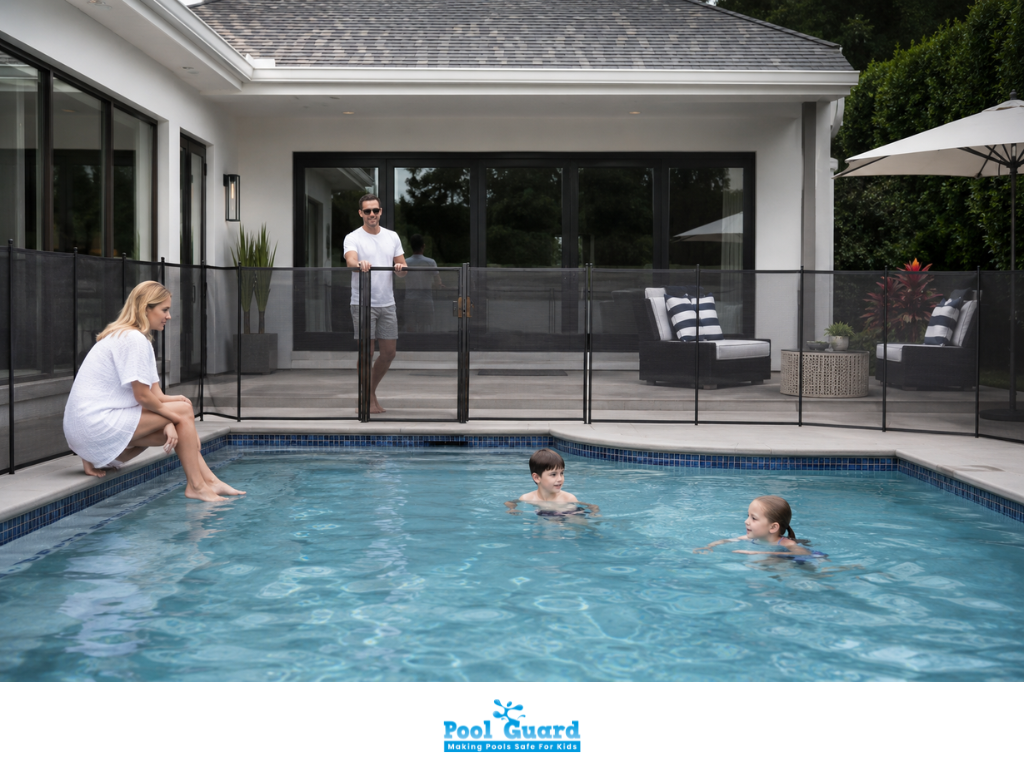
Absolutely, and not just from drowning. The swimming pool environment is, by its nature, a convergence of hazards: hard concrete surfaces, water, chemicals, electrical systems, and high-energy activity. Injuries occur both in the water and around it, ranging from mild to severe.
Minor injuries include scrapes, strains, and chlorine irritation. Severe injuries often result from preventable failures, such as missing drain covers, slippery decks, or brief lapses in supervision. Understanding the risks is the first step to preventing them.
Pool injuries rarely occur out of nowhere. They’re the product of predictable hazards, often compounded by human behavior. Three root causes account for the vast majority of swimming pool accidents and injuries.
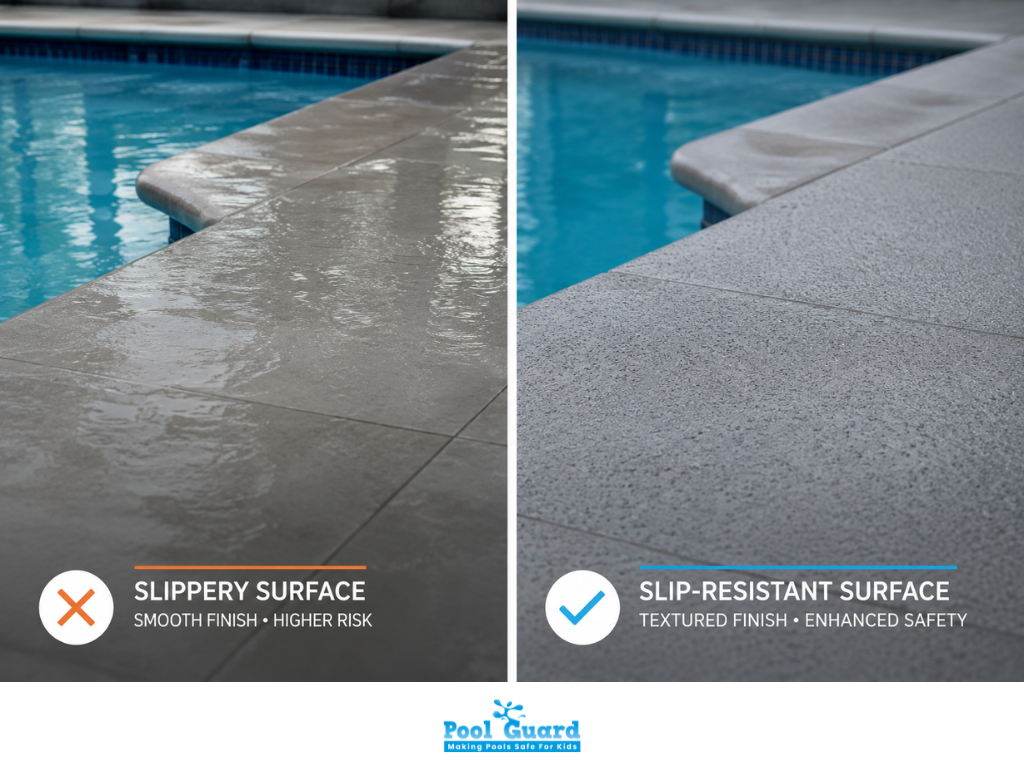
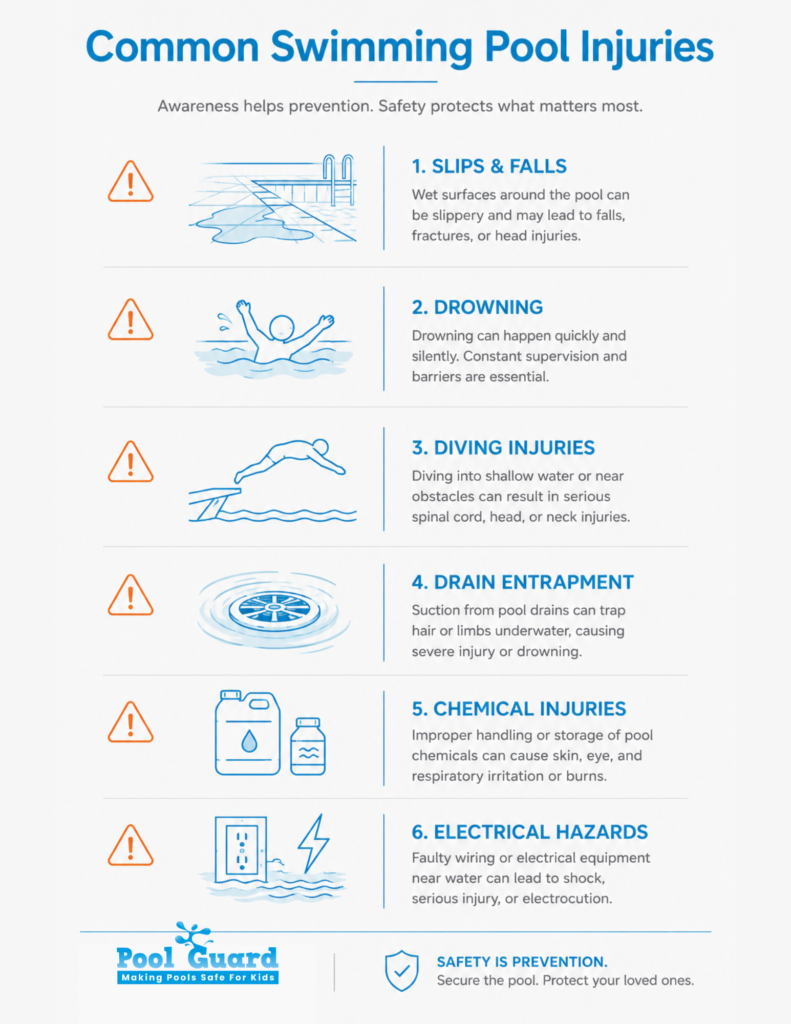
Pool decks stay wet from splash-out, humidity, and foot traffic. When combined with running, poor footwear, or distraction, these slippery surfaces frequently lead to dangerous falls onto hard concrete or tile. The risk is especially high around many residential pools, which feature smooth concrete or polished tile that becomes dangerously slick the moment it gets wet.
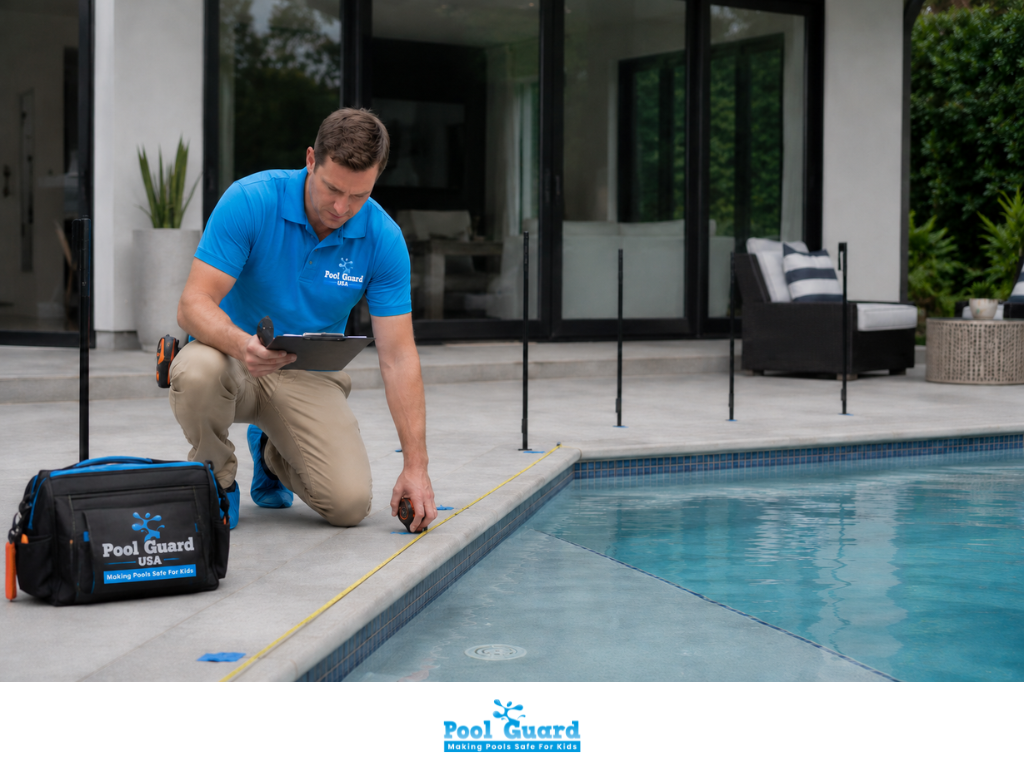
Poorly maintained pools accumulate hidden hazards such as cracked tile, corroded ladders, damaged lighting, worn diving boards, and missing or non-compliant drain covers.
The Virginia Graeme Baker Pool and Spa Safety Act (VGB Act) set federal minimum standards for drain covers specifically because entrapment deaths were so preventable, yet non-compliant drains remain common, especially in older residential pools.
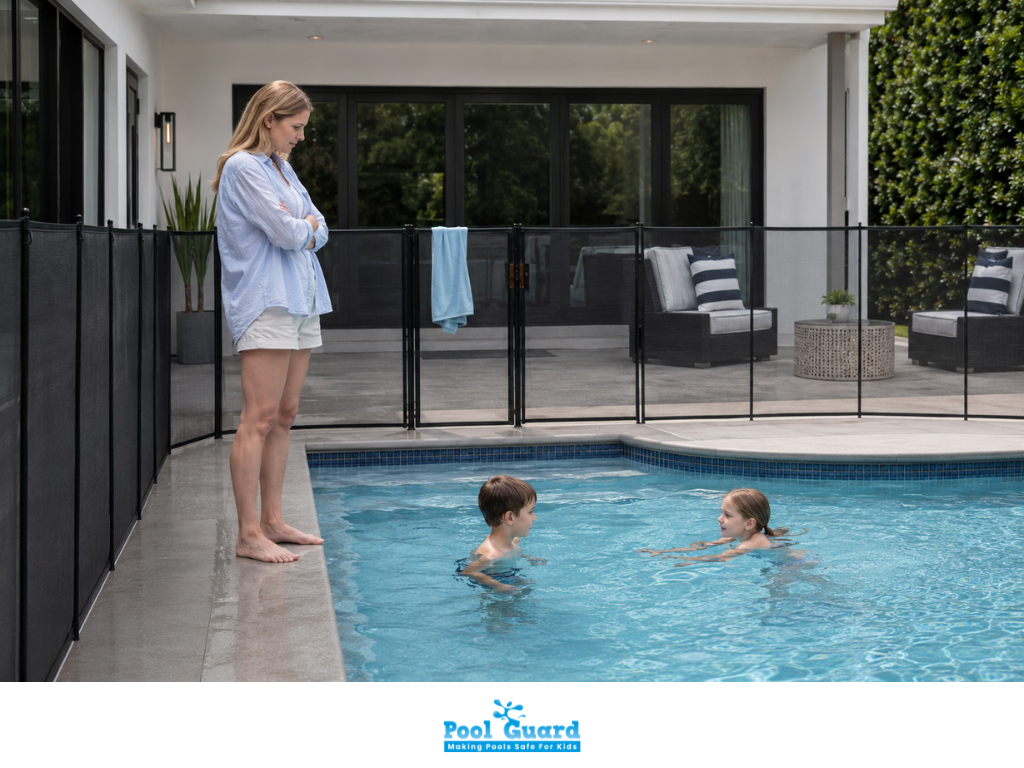
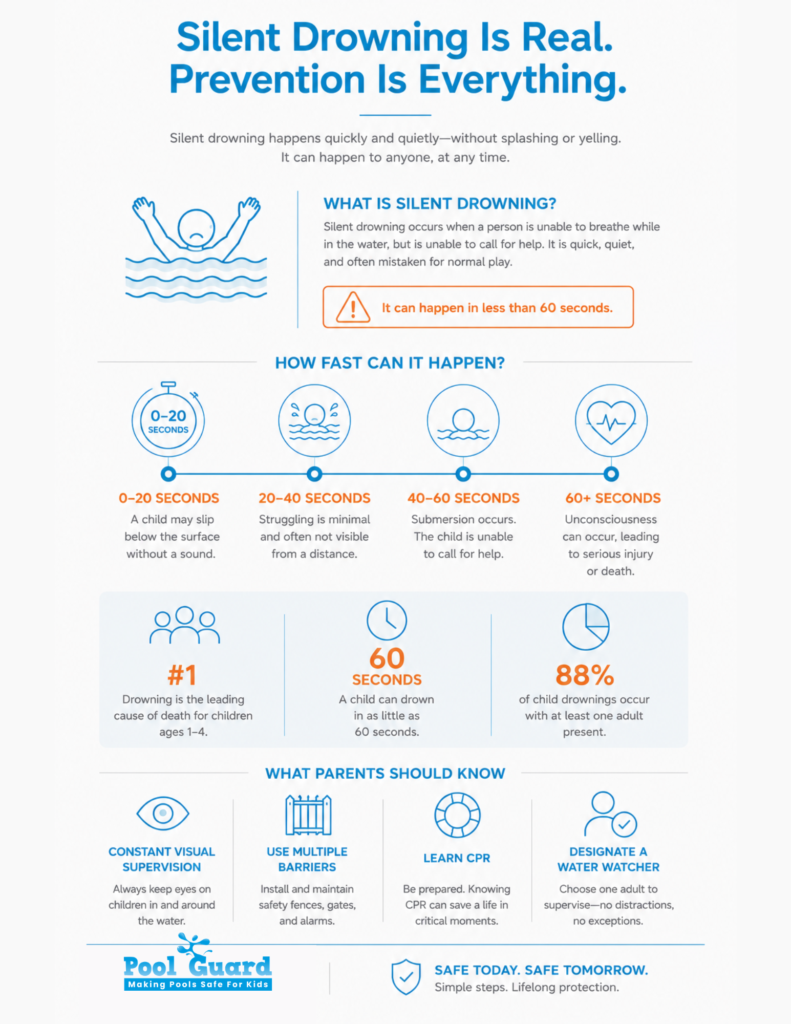
The CDC found 77% of child drowning victims were missing for five minutes or less, and 70% were not expected near water. Drowning is usually silent. Risk rises sharply with shallow-water diving, running on wet decks, and rough play.
Alcohol involvement further elevates risks, contributing to up to 70% of water-related deaths among teens and adults.
Slip-and-fall accidents rank among the most common pool injuries, often caused by wet decks, uneven pavement, cluttered walkways, and running. These falls frequently result in fractures, sprains, head trauma, and spinal injuries. Because concrete pool surrounds are unforgiving, these incidents are especially dangerous for children and older adults.
Prevention: Enforce strict no-running rules, use slip-resistant decking, and install proper handrails and lighting.
Drowning is a devastating hazard that kills more than 4,000 Americans annually, averaging about 11 deaths per day. In fact, it stands as the leading cause of unintentional injury death for children ages 1-4, and the second leading cause for ages 5-14.
Even when not fatal, near-drowning incidents can cause permanent neurological damage within just four to six minutes due to oxygen deprivation. As a result, survivors may face cognitive impairment, motor deficits, and a lifetime of rehabilitation, with long-term medical costs that can exceed $250,000 annually for children under 14.
Drowning is often silent. A child can drown in as little as 30 seconds and in as little as one inch of water.
Prevention: Install four-sided fencing with self-latching gates, which reduces drowning risk by about 83% compared to three-sided barriers. Additionally, utilize pool alarms, maintain active supervision, and undergo CPR training.
Diving into shallow water can fracture the cervical spine and cause permanent paralysis, including quadriplegia.
While the American Red Cross recommends at least nine feet of water for diving-board use and five feet for any head-first entry, many residential pools appear deeper than they actually are and lack visible depth markers. Beyond water depth, diving boards themselves become hazardous when their surfaces, bolts, or mechanical components deteriorate over time.
Prevention: Install visible depth markers alongside “No Diving” signs, and regularly inspect all diving equipment.
Pool drain entrapment occurs when powerful suction traps a swimmer’s hair, limbs, swimsuit, or torso against a drain. This force can easily hold swimmers underwater, even against the rescue efforts of strong adults. In the most severe cases, this suction has caused catastrophic internal injuries, including disembowelment.
To address this, the VGB Act mandates anti-entrapment drain covers for public pools and spas, though compliance in residential settings remains voluntary. For added safety, Safety Vacuum Release Systems (SVRS) provide critical protection by automatically shutting off pumps the moment abnormal suction is detected.
Prevention: Teach children to stay away from drains, install VGB-compliant drain covers, and inspect those covers annually.
When mishandled, pool chemicals can cause severe burns, eye injuries, respiratory distress, infections, fires, explosions, and toxic gas exposure. Striking the right balance is critical because over-chlorination irritates the skin, eyes, and lungs, while under-treatment allows bacteria and parasites to spread illness.
Pool chemical incidents send more than 4,500 Americans to emergency rooms annually, mostly children and teens.
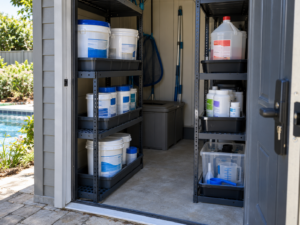
Prevention: Store chemicals in cool, well-ventilated areas, safely away from children; follow dosing instructions precisely; and test water chemistry at least twice weekly.
Water can easily become electrified by faulty lighting, damaged wiring, poor grounding, or poolside extension cords. This leads to Electric Shock Drowning (ESD), a condition in which the current causes muscle paralysis, preventing swimmers from escaping the water. Because the electrical source remains completely invisible, victims often appear to have drowned naturally.
Prevention: Ensure all electrical systems are installed and inspected by licensed electricians familiar with NEC Article 680. Always use GFCI protection on outlets within 20 feet of the pool, and never use extension cords or non-pool-rated electronics near the water.
Physical hazards such as cracked tiles, rough pool walls, sharp metal components, and abrasive slides often cause cuts and friction burns. Furthermore, behavioral risks like horseplay and mid-air collisions lead to a variety of orthopedic injuries, including sprains, fractures, and contusions.
Prevention: Repair damaged surfaces promptly, maintain smooth edges, and strictly prohibit roughhousing.
Determining pool liability depends on who controlled the premises, whether they breached their duty of care, and if that negligence directly caused the injury. Depending on the setting, responsibility typically falls into one of these categories:
When negligence is proven, injured victims can seek compensation for medical expenses, lost wages, and pain and suffering through personal injury claims.
Prevention isn’t just about rules and supervision; it’s built into the pool itself. Thoughtful design choices at installation and smart upgrades on existing pools dramatically reduce injury risk.
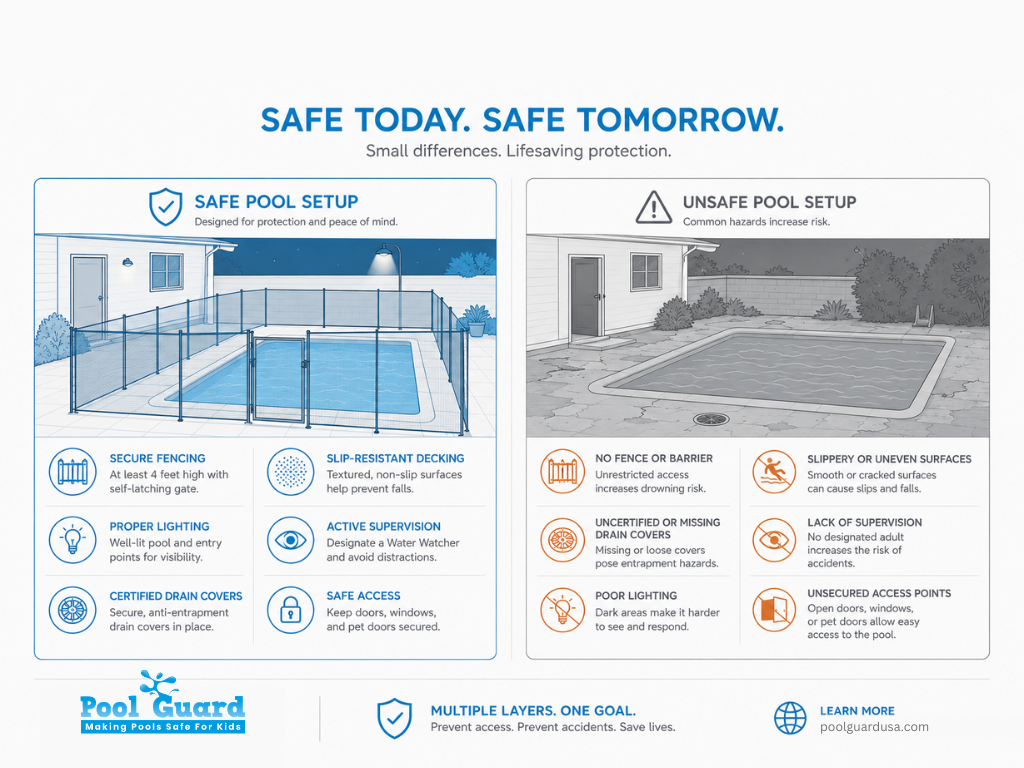
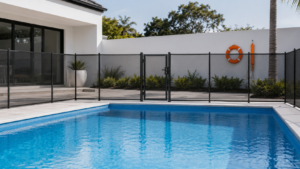
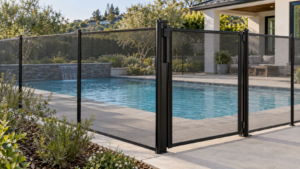
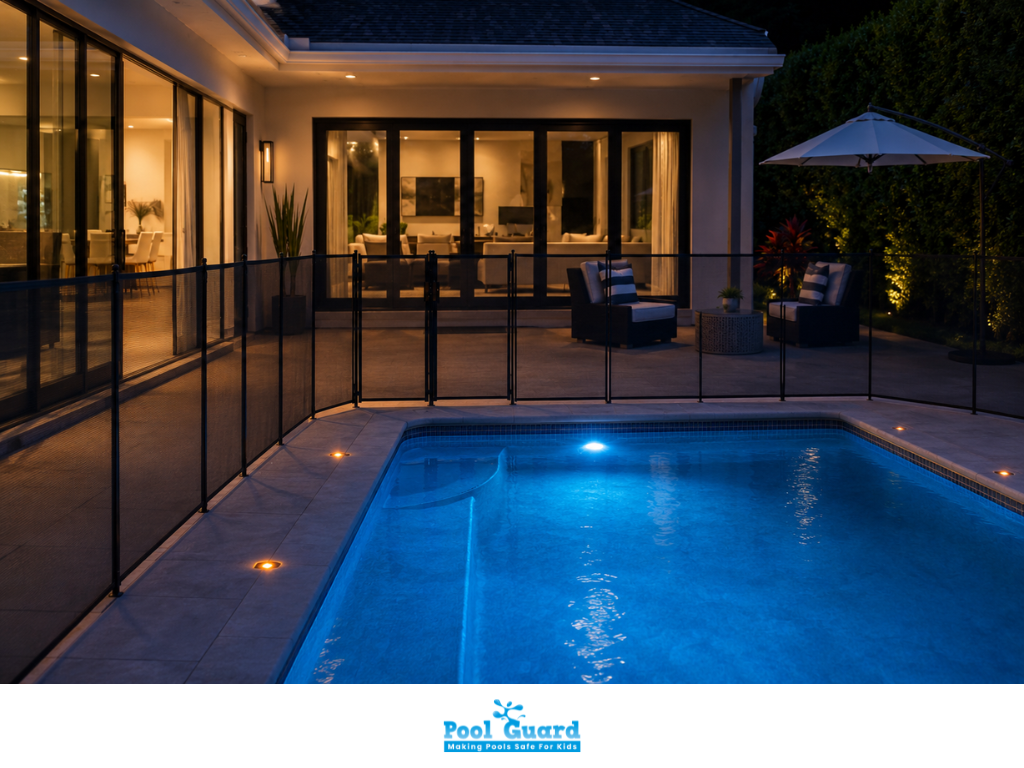
Four-sided isolation pool fences reduce residential drowning risks by 80% compared to three-sided fencing. Effective barriers must be at least four feet tall, unclimbable, and equipped with self-closing, self-latching gates. Pool alarms and safety covers provide essential, additional layers of protection.
Slip-resistant surfaces are high-value upgrades that ensure reliable traction for bare feet on wet surfaces. Recommended options include brushed concrete, exposed aggregate, textured rubber, and anti-slip coatings. These surfaces align with Pool Guard USA’s layered approach, reducing both accidents and the burden of supervision.
Adequate lighting prevents diving injuries by helping swimmers gauge water depth. It illuminates hazards like pool edges and steps after dark while allowing supervisors to spot distressed swimmers clearly. Essential evening investments include underwater LED lights, perimeter path lighting, and illuminated depth markers.
VGB-compliant anti-entrapment drain covers are vital components of pool circulation safety. Inspect them every swim season and replace them immediately if they are cracked, missing, or non-compliant. While required for public pools, residential pools also benefit from these standards, along with annual professional inspections of pumps, filters, lighting, and electrical grounding.
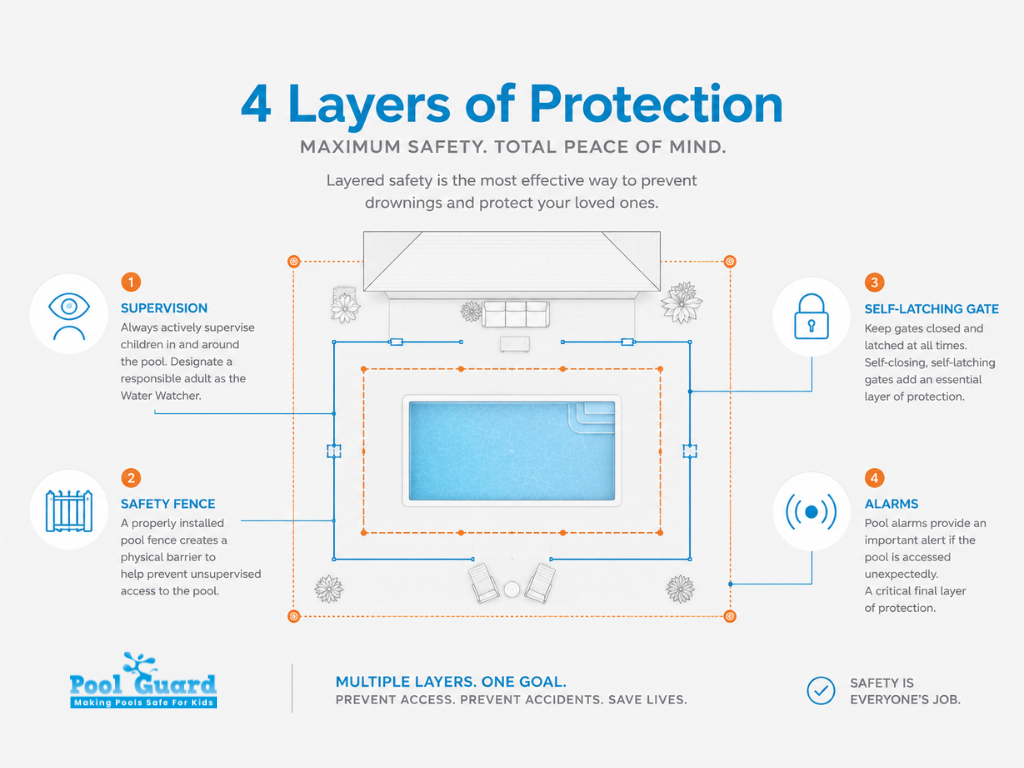
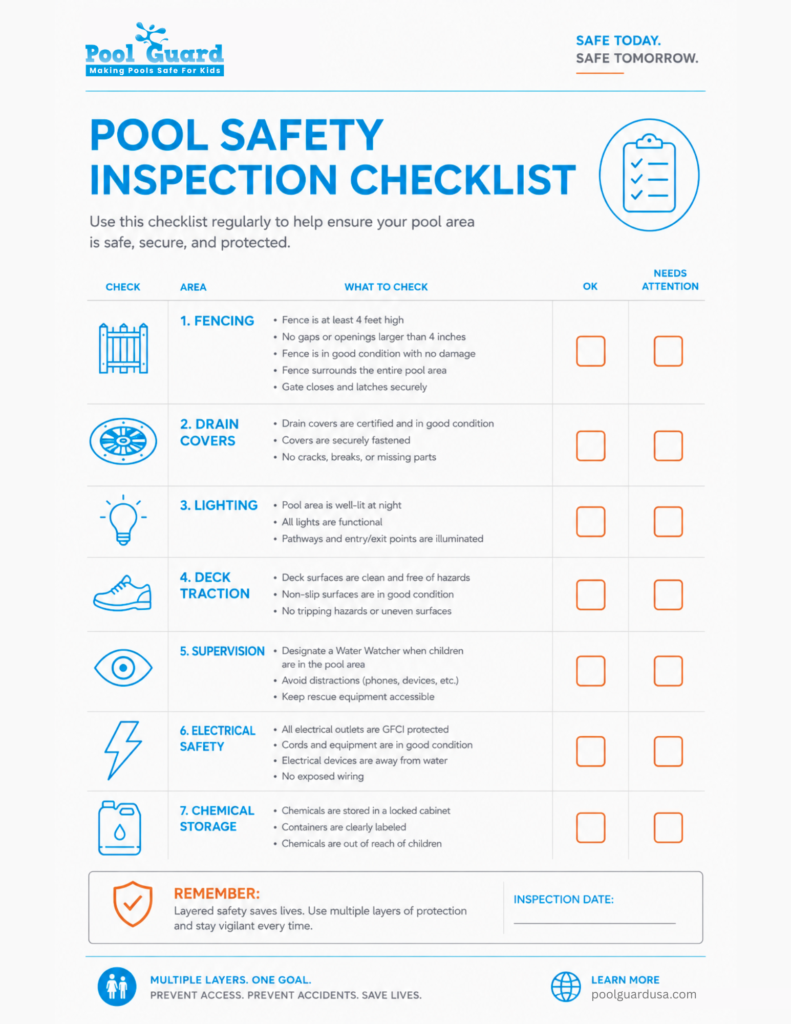
Swimming pool injuries are often preventable, yet small oversights can lead to serious consequences. Slippery surfaces, unsafe equipment, poor maintenance, and distracted supervision create risks many people fail to notice. By understanding how these accidents happen, pool owners and families can make smarter decisions before problems occur.
Ultimately, pool safety comes down to preparation, awareness, and consistency. Whether you’re managing a residential pool or visiting a public one, simple precautions make a real difference. With the right approach, swimming pools can remain places for relaxation, recreation, and family memories without unnecessary danger or preventable injuries.
Find your local dealer by entering your zip code above.
Please fill out the form below with your information. Your local dealer will be notified about your inquiry.
Please fill out the form below with your information. Your local dealer will be notified about your inquiry.