
As summer heat peaks, families everywhere rush to the water with colorful floats and rafts. These popular accessories promise endless hours of backyard fun and relaxation for children and adults alike. However, many parents are left wondering about the hidden dangers floating right in their own backyards.
Before you inflate your next pool lounger, it is vital to evaluate the gear your family trusts. Are inflatable pool toys safe enough for unsupervised play, or do they offer a false sense of security? Explore this comprehensive safety guide below now to unlock crucial swimming tips and protect your loved ones this summer.
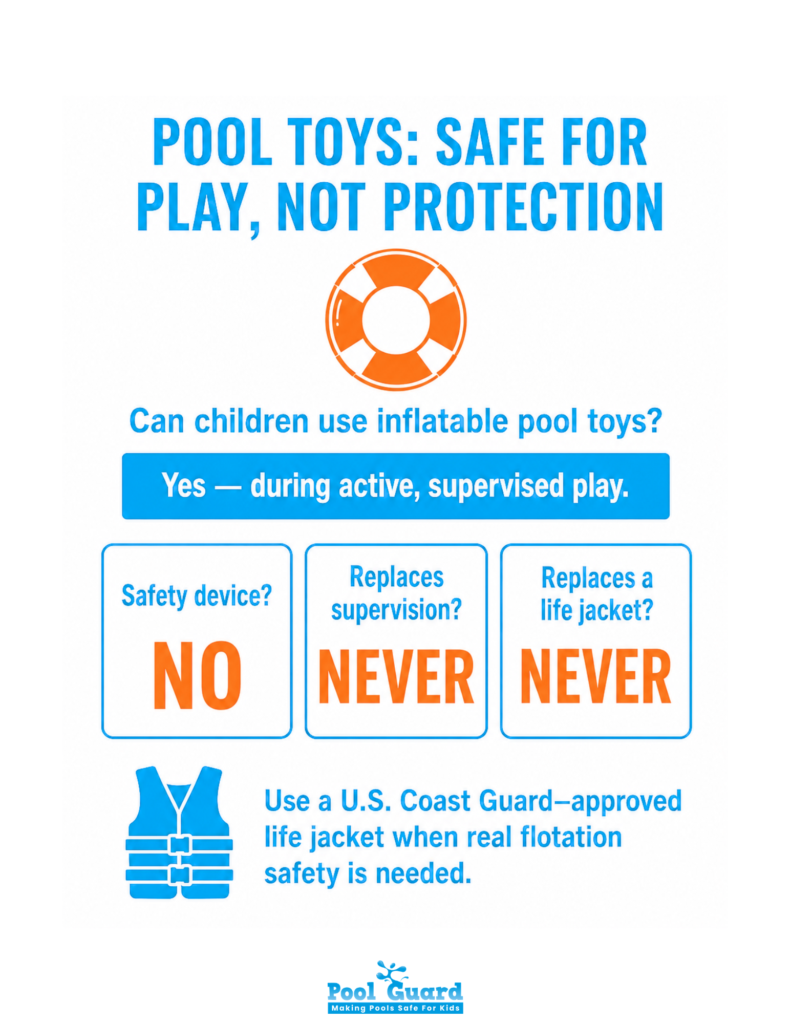
Inflatable pool toys are safe only for supervised play and must never replace a U.S. Coast Guard–approved life jacket. Items like floaties, rafts, and rings can easily flip, deflate, drift, or trap a child underwater. Furthermore, leaving these colorful items floating in the water after swim time ends creates a dangerous hazard by attracting unsupervised children back to the pool edge.
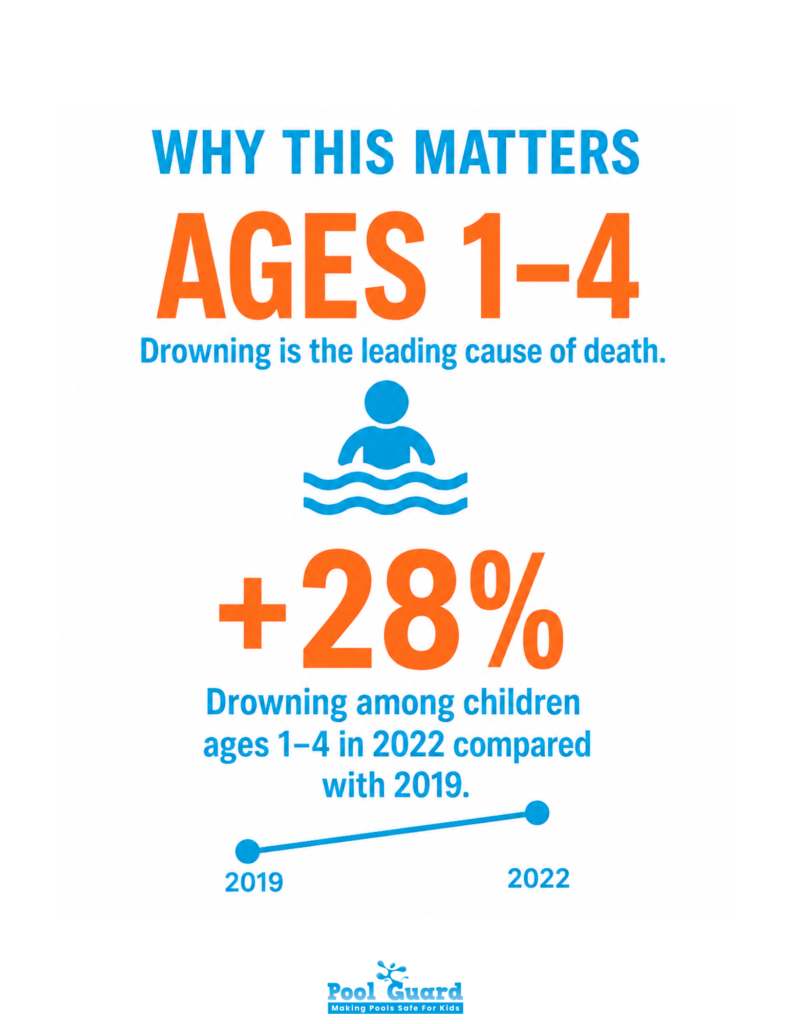
Understanding these risks is vital since drowning is the leading cause of accidental death for children ages one to four in the United States. Ultimately, deciding if are pool toys safe for your family comes down to strict adult supervision and treating them strictly as entertainment rather than life-saving devices. Always store them completely out of sight immediately after use to keep your swim season secure.
Pool toys are designed for fun and recreation. Life jackets, pool fences, self-closing gates, alarms, covers, and safety nets serve an entirely different purpose – preventing drowning. Toys can absolutely help a child enjoy the water and build confidence, but they are not engineered, tested, or certified the way lifesaving equipment is.
The distinction is regulatory, not just semantic. Coast Guard–approved life jackets are built and certified under 46 CFR Part 160 specifically to keep a person’s head above water in an emergency.
Inflatable pool toys, by contrast, are legally classified and tested as toys under ASTM F963, the same standard that governs action figures and board games. They are required to carry a label stating plainly that they are not a lifesaving device. That warning exists because the danger begins the moment adults treat a toy like safety gear.
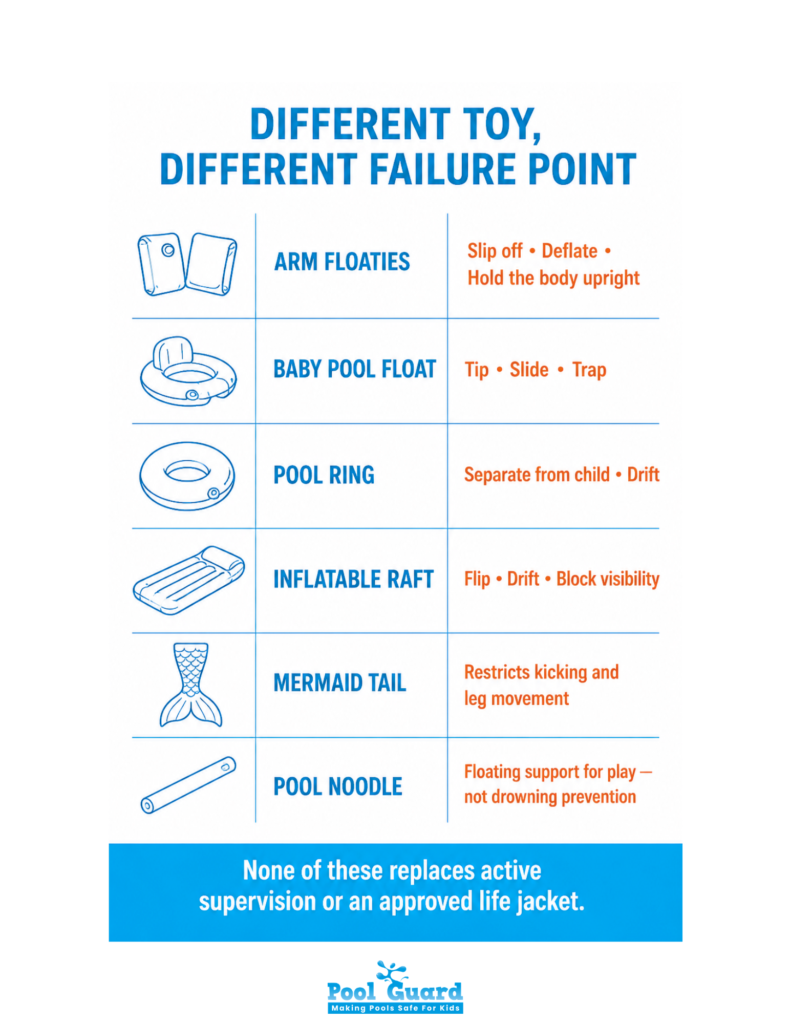
A handful of failure points show up again and again in incident data and product testing:
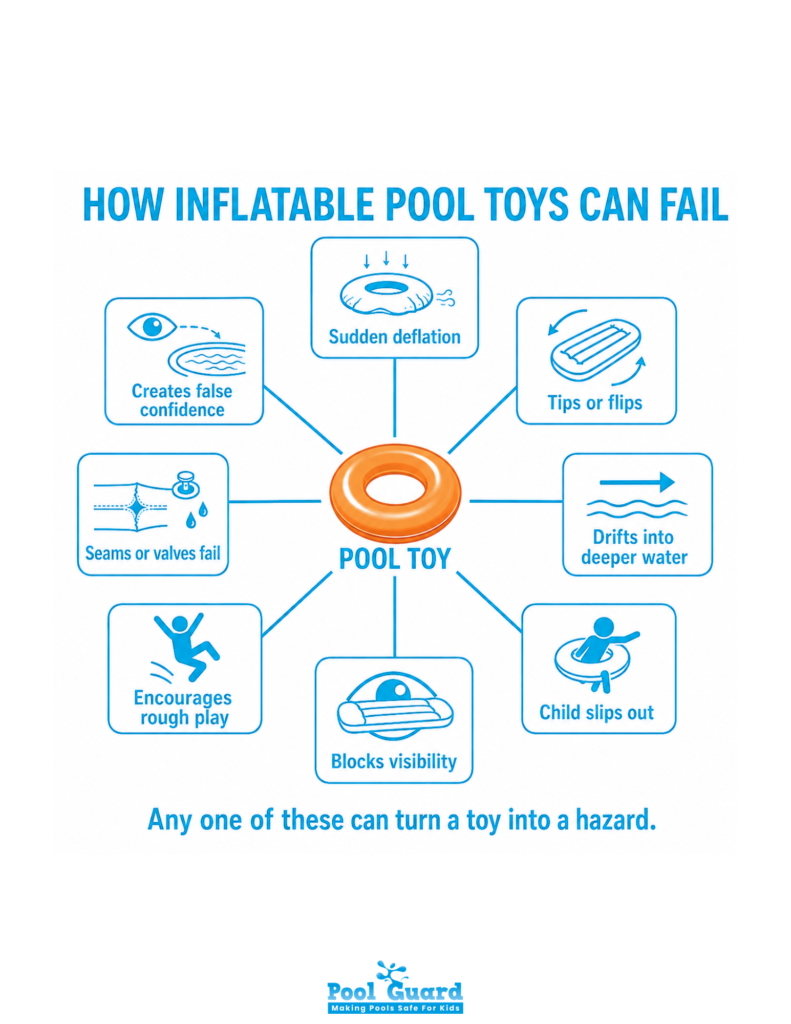
The false sense of security is a dangerous psychological risk hiding behind every physical water hazard. Adults often look away when a child wears floaties, while the child mistakenly believes they can swim because a toy kept them afloat. However, flotation toys can fail in seconds and almost always silently, as real drowning rarely looks dramatic or noisy like it does in movies.
These toys also force children into an upright posture instead of teaching the horizontal, face-down position needed for actual swimming and self-rescue. This vertical positioning quickly becomes an ingrained habit that persists long after the floatie comes off.
Because of these risks, pediatricians and drowning-prevention researchers emphasize one core rule: supervision must never decrease just because a toy is present. If anything, a flotation toy in the water is a cue to watch a child even closer.
Arm floaties (water wings) are popular but highly unreliable. They easily deflate or slip off, and they have not been tested as lifesaving gear.
Physically, because they pin a child’s arms up, they can trap the child’s face forward in the water if the child tips over. Psychologically, they build dangerous, false confidence, leaving children overconfident around deep water before they have actually learned to swim.

Baby pool floats deserve extra caution because babies and toddlers can tip, slide, or become trapped in them far more easily than older children. Infants and toddlers must stay within arm’s reach of a supervising adult at all times, regardless of what they are wearing or sitting in.

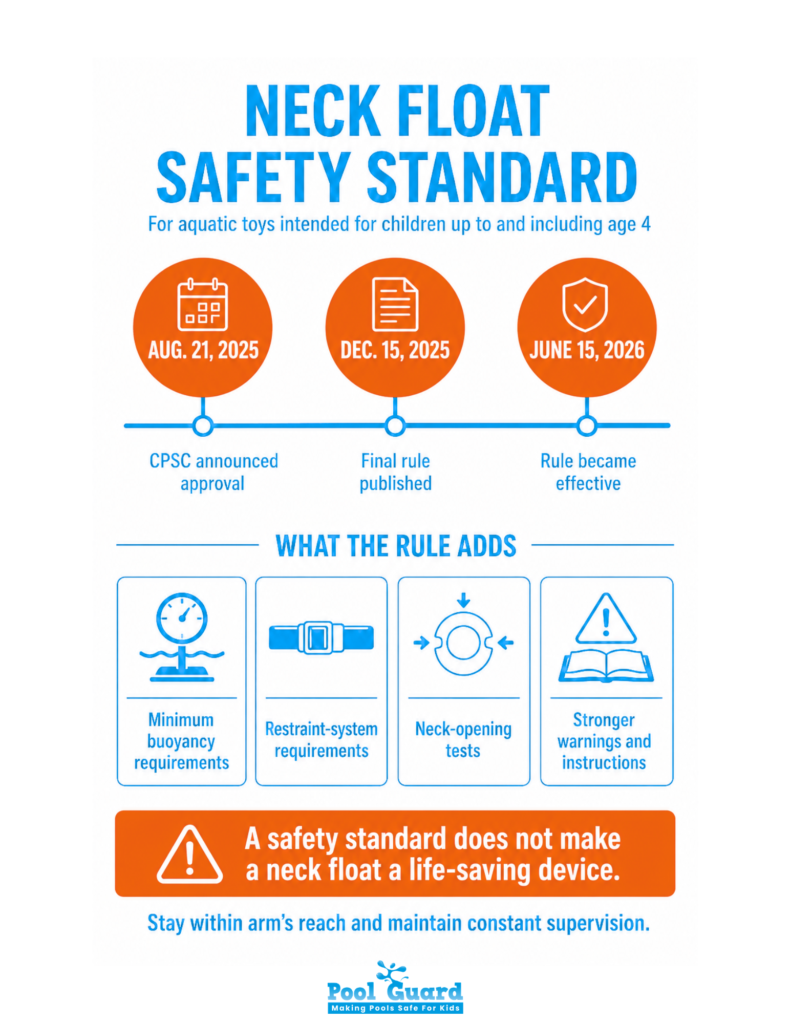
Neck floats are the riskiest product in this category. In fact, United States regulators moved on this directly when the Consumer Product Safety Commission finalized the first mandatory federal safety standard specifically for neck floats. The rule requires neck floats to retain a minimum level of buoyancy after submersion and carry stronger warning labels. These labels include a disclosure that the neck opening can expand even when it looks snug, and that a child can drown in as little as one inch of water. That rule was not written in the abstract because the majority of fatalities regulators reviewed involving inflatable infant bather products were specifically tied to neck float use.
As a general rule, avoid anything that restricts a baby or toddler’s neck, face, arms, or legs. Never use a baby float as a hands-free way to supervise a child. Touch supervision, meaning staying close enough to reach the child immediately, is the standard for this age group rather than relying on a float.
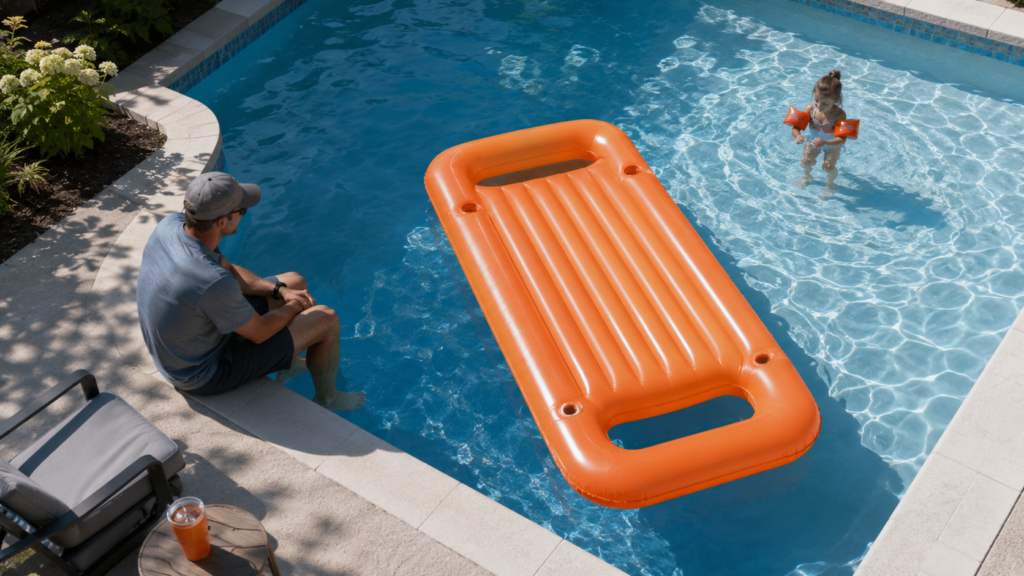
Rings and rafts introduce their own set of problems. A ring can separate from a child mid-play. A raft can flip under uneven weight. Large floats can block an adult’s view of the pool floor, which is enormously important. A child can go directly beneath a raft without anyone realizing it for critical seconds. Rafts can also drift into deeper water than a child intended to reach, and jumping onto floats is a common, underrated cause of falls and head injuries at the pool.
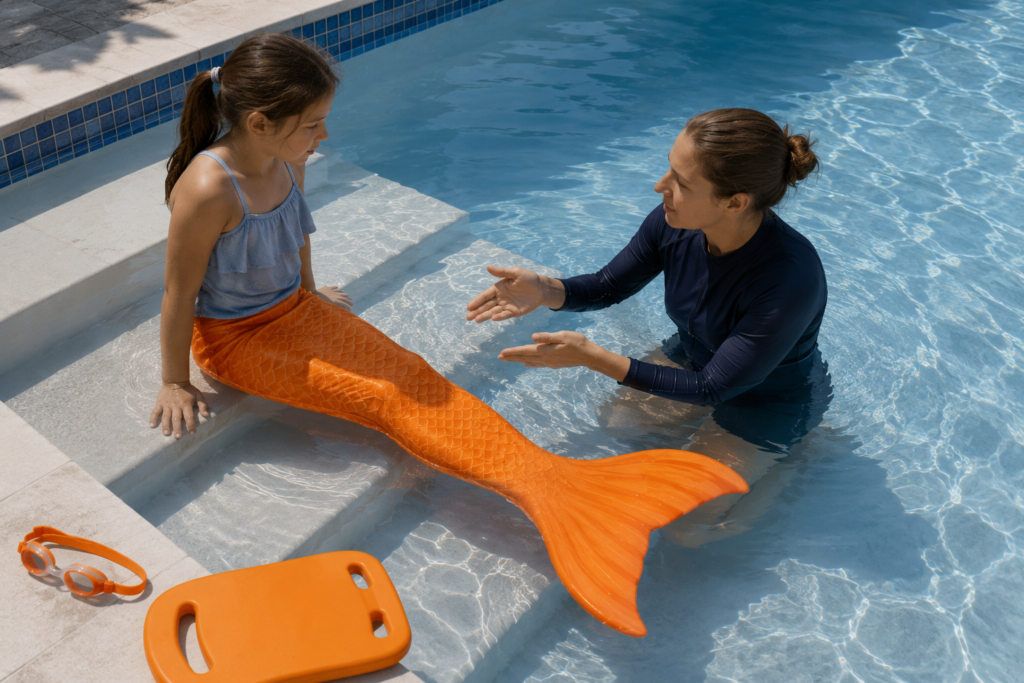
Mermaid tails bind the legs together – precisely the body part a child depends on most for propulsion and for lifting their face above the surface. Children need free movement of both their arms and legs to recover their position in the water if something goes wrong. As a rule, avoid any toy that limits a child’s ability to kick, float independently, or lift their face out of the water on their own.
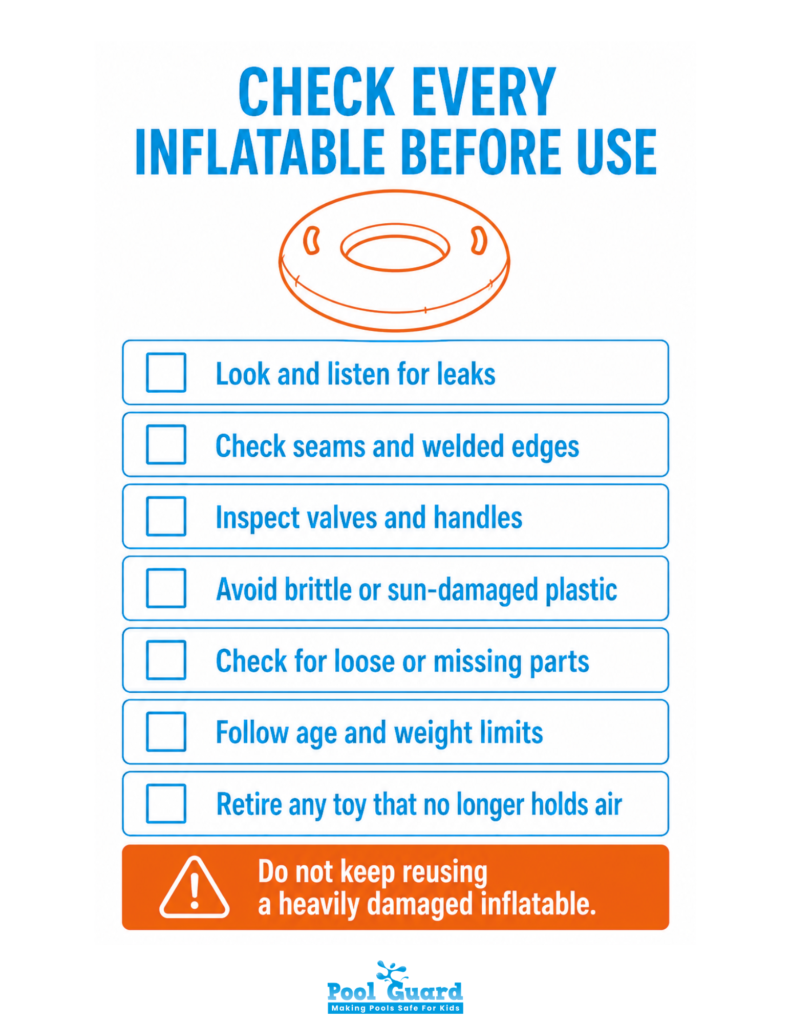
Even a toy that’s fundamentally fine for play can become dangerous once it’s worn out. Before every use:
No. Pool toys should be removed after swimming is over, and this is one of the most overlooked safety habits. Bright, floating toys are genuinely attractive to young children, and kids will try to reach for a toy without an adult nearby if given the chance.
Toys left in the water can hide parts of the pool surface from view, while deflated toys can easily become tripping or entanglement hazards. The safest practice is to store toys entirely outside the pool area or behind a secured barrier. Keeping the pool toy-free ensures that an empty pool doesn’t quietly become an invitation for unsupervised access.
| Item | What It’s For | What It Should Not Replace |
| Inflatable pool toy | Play | Supervision or a life jacket |
| Arm floaties | Recreational swim aid | An approved flotation device |
| Pool noodle | Games and floating support | Drowning prevention |
| Pool raft | Lounging / play | Adult supervision |
| Life jacket | Personal flotation safety | Active supervision |
| Pool alarm | Alerting adults | A physical barrier |
| Pool fence | Limiting pool access | Ongoing supervision |
| Self-closing gate | Controlling entry | Regular safety checks |
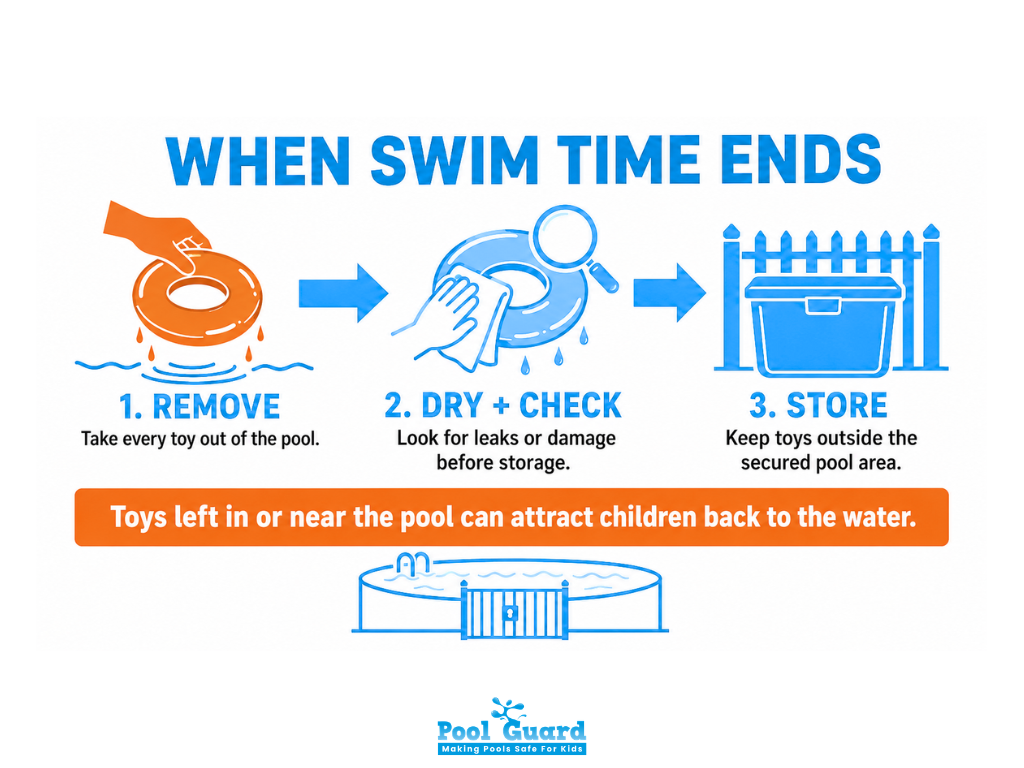
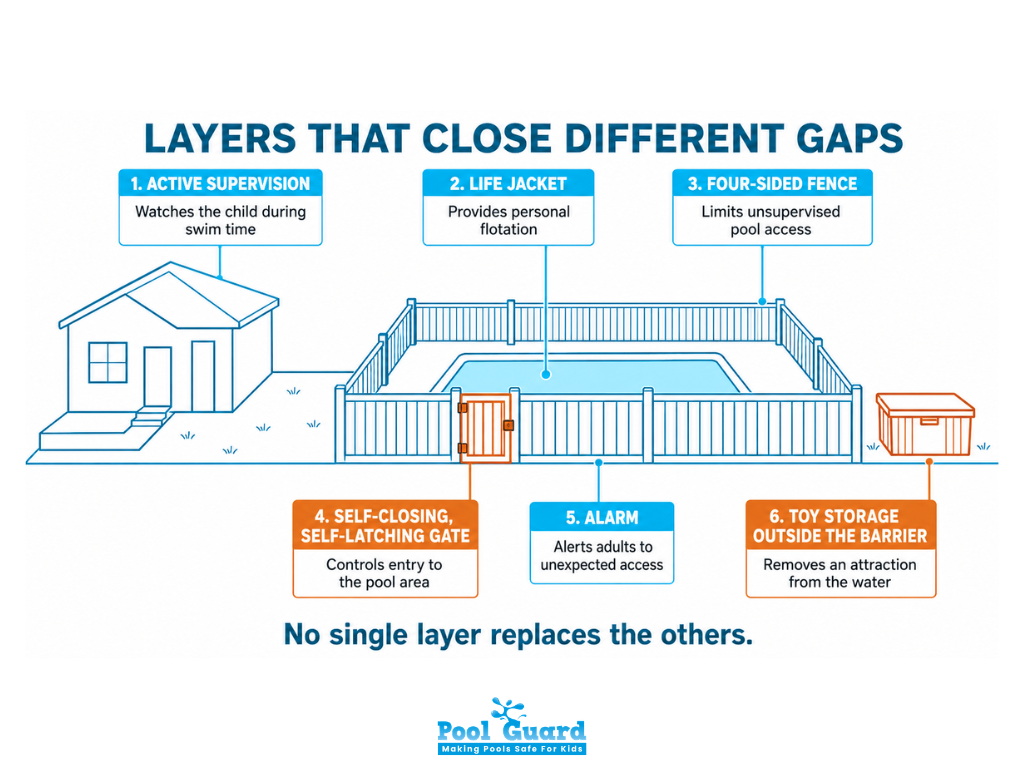
Pool toys can attract children toward the water when no one intends to swim, making the post-swim period incredibly dangerous. A four-sided pool fence solves this by physically separating the pool from the house and yard.
Self-closing, self-latching gates dramatically reduce accidental access. This layer of protection specifically guards against brief distractions that can lead to tragedy. Even with a fence in place, you must remove and store toys properly because barriers and good habits work together rather than as substitutes for each other.
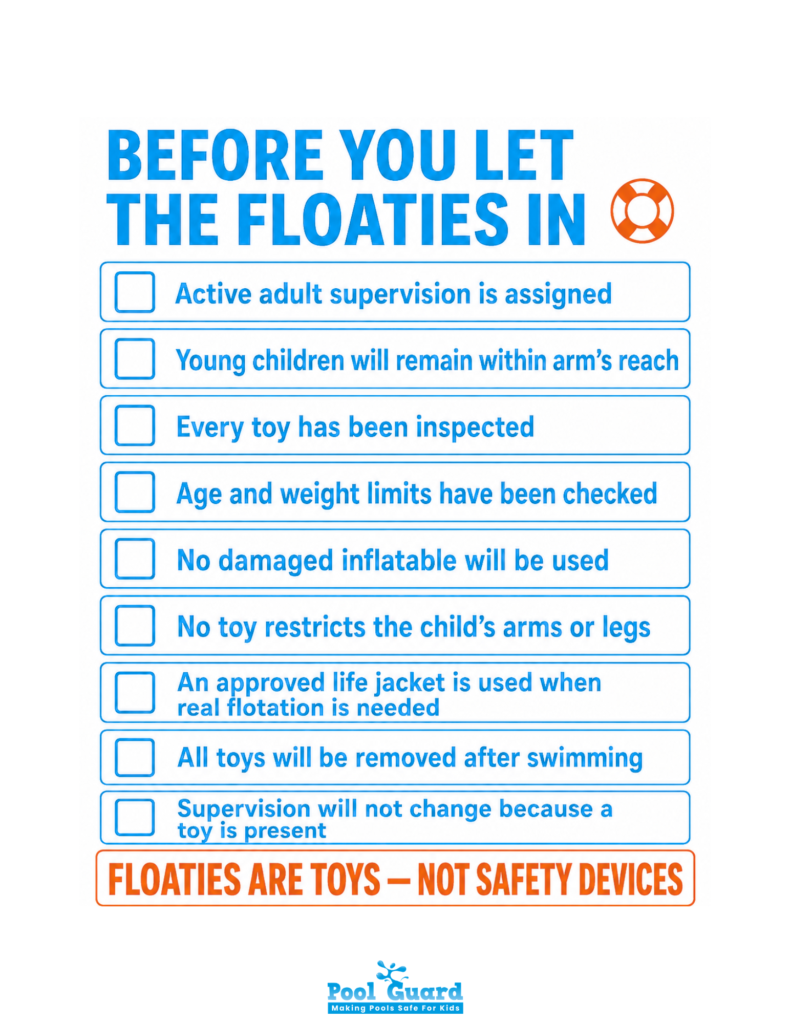
Are inflatable pool toys safe? They are not automatically unsafe, but they become highly risky the moment they are used as safety devices instead of toys. Floaties, rings, rafts, and baby floats can fail, drift, flip, or give children and supervising adults a false sense of confidence. Toys must always be removed after swimming so they don’t serve as an open invitation back to the water.
Real pool safety depends on layered protection, including active supervision, physical barriers, Coast Guard-approved flotation devices, and emergency readiness. True safety never depends on what is currently inflated and floating on the surface.
For a reliable layer of protection that stands firm when a toy fails or attention slips, explore Pool Guard USA’s mesh pool fencing and safety barriers to close the gap that toys alone never can.
Please fill out the form below with your information. Your local dealer will be notified about your inquiry.
Please fill out the form below with your information. Your local dealer will be notified about your inquiry.